

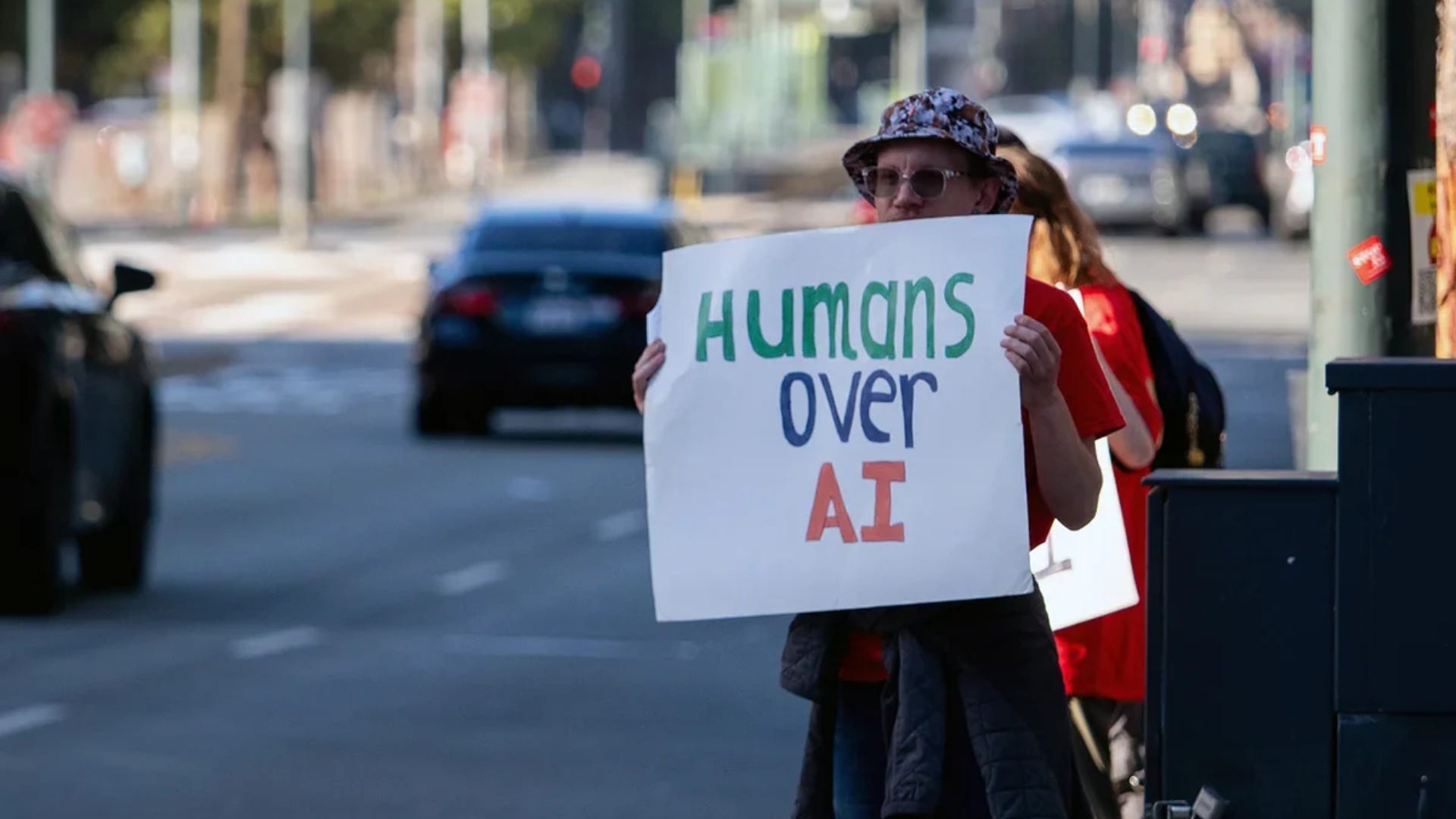
Last week David Durman was granted a religious accommodation exempting him from using AI at work.
Durman is a research administrator at the University of Kentucky. UK has an explicit goal to become an “AI University.”
Ironically, Durman doesn’t believe in God. He’s a humanist who morally objects to AI because “using these technologies runs contrary to human wellbeing.” He works remotely, and the accommodation permits him to take notes manually instead of relying on AI note-takers.
It’s easy to dismiss Durman as a luddite, but he’s not alone. Gallup found that among employees who don’t use their company’s AI, 43% oppose it on ethical grounds.
Few of us will opt out entirely. But we still choose what to give AI and what to keep.
The Mark of the Beast
Durman isn’t the first to refuse technology based on beliefs.
In 2012 Consol Energy denied Beverly Butcher’s request for an exemption from its biometric hand-scanners. Butcher was a devout Christian who believed the scanners represented the “Mark of the Beast.”
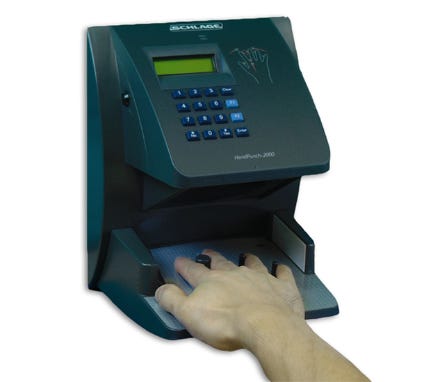
The company brushed him off. The same email that approved a keypad for two other employees with hand injuries said, “Let’s make our religious objector use his left hand.” After working at Consol for 37 years, Butcher was forced to retire.
The courts sided with Butcher, awarding him $586,860 in damages. Consol appealed all the way up to the Supreme Court, which declined to take the case.
The Civil Rights Act requires companies to accommodate employees’ sincere beliefs unless doing so imposes an “undue hardship.” The law doesn’t just apply to religion; sincerely held moral or ethical beliefs like Durman’s are protected too.
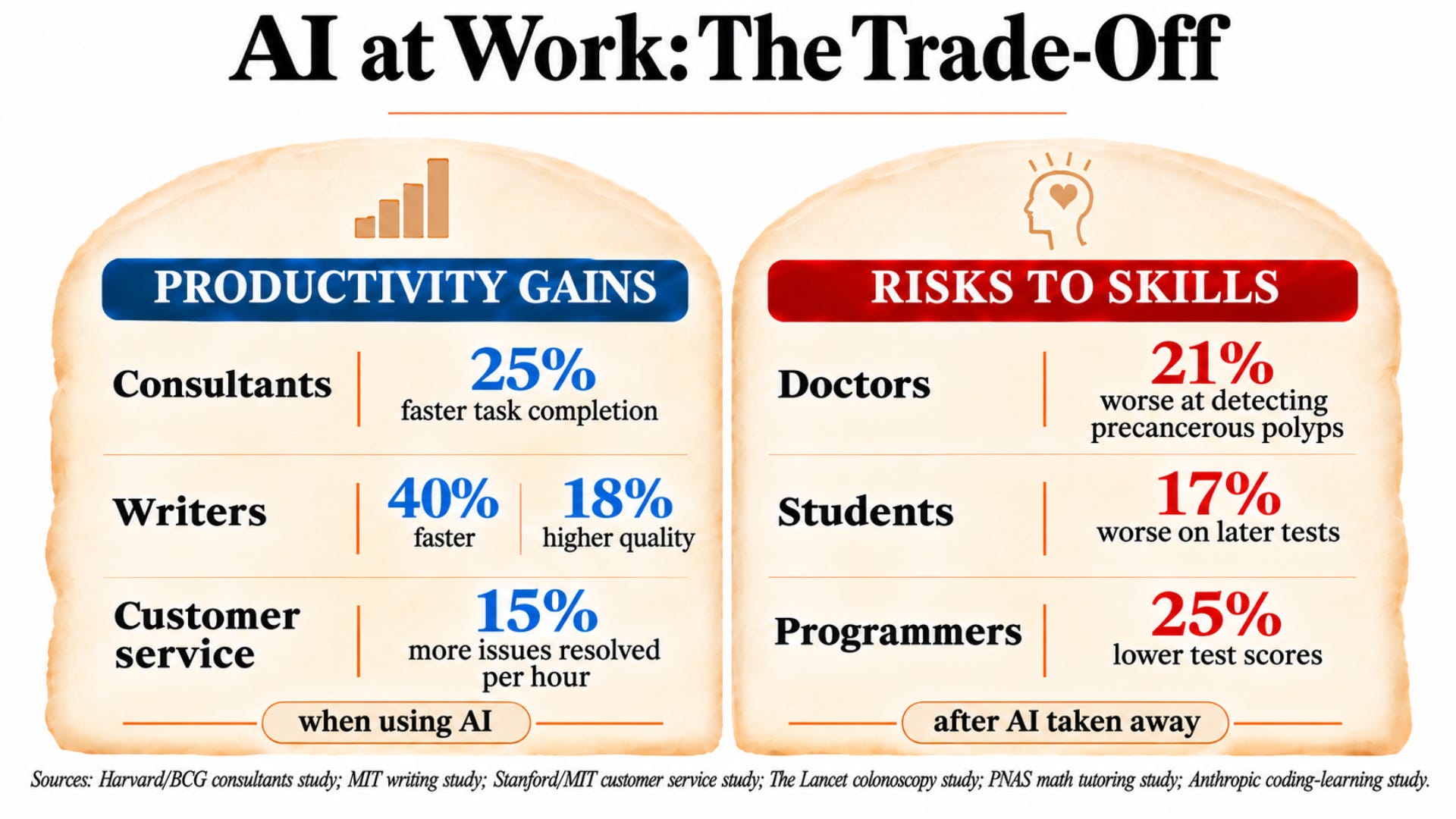
Managers who dealt with vaccine opt-outs during Covid will be bracing for more, but don’t expect a stampede. Studies [1, 2, 3] consistently find that AI lifts productivity. Just like with the internet, Excel or the adding machine, most employees won’t opt out for fear of falling behind.
Meat Puppets and a Build-a-Breeze Castle
Canadian politician Bill Oliver was exhorting his colleagues to look beyond talking points to the real issues. The only problem is his speech was, ahem, AI talking points. Three different times he unwittingly broke into AI-speak. Even worse, his peers didn’t notice until the speech went viral. Online trolls branded him a “Meat Puppet,” a term for people who abandon their thinking to AI.
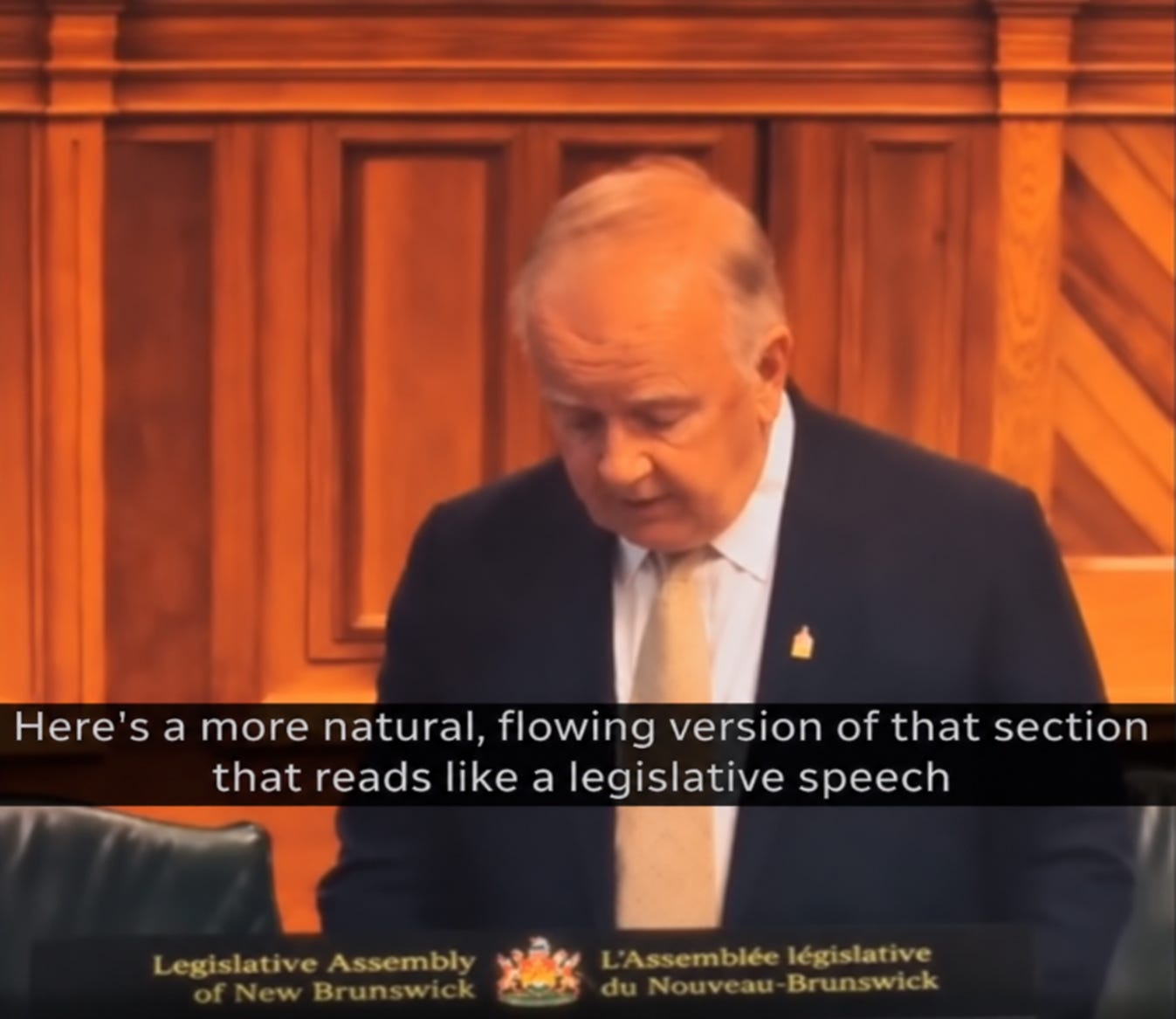
Politicians have relied on speechwriters for centuries. Oliver’s speechwriter forgot to weed out AI, and Oliver missed it too. Today’s workers are learning how to use AI without it becoming their Cyrano de Bergerac.
The bigger risk is that AI can erode our skills. After working with an AI assistant for just three months, doctors were 20% worse at spotting precancerous growths when it was taken away.
AI can also impair creativity. A 2025 Wharton study asked teams to brainstorm toy concepts that included a brick and a fan. Among 45 independent teams working with ChatGPT, 42 had ideas that overlapped, and 9 gave their toys the identical name “Build-a-Breeze Castle.”
Software maker Atlassian found that teams using AI generated more ideas at first, but the lead faded after just 20 minutes of brainstorming. The most creative concepts came from workers who relied on ideas from their peers instead of AI.
When AI ideas are everywhere, employees who know when not to use it will stand out.
Two jagged frontiers
One day AI’s solving math problems humans have spent decades trying to crack. The next, it’s generating menu images of drinks with bacon and eggs in them.

Ethan Mollick calls this AI’s “jagged frontier.” But humans have jagged frontiers too, and working with AI means knowing what to offload and what to keep.
One executive I know isn’t a native English speaker. He uses AI to draft emails. Another who hates slides has Claude build his presentations.
For my AI strategy class I offload quiz questions and video editing to AI, but I build slides and case studies manually. This takes a lot of time, but the creation process forces me to learn the ideas.
Last week I was presenting on AI to a group of retail executives. The night before I was up until 1am refining my slides. Claude could have made them and had me in bed by 9. But I found a new angle on shopping with Muse that landed perfectly.
Called to work
Pope Leo XIV chose his papal name in honor of Leo XIII, whose 1891 encyclical defended workers’ dignity during the industrial revolution. Leo XIV is doing the same for workers in the age of AI. His encyclical Magnifica Humanitas focuses on AI, work and human judgment. It says “work is not simply an instrument; it expresses and enhances the dignity of our lives.”
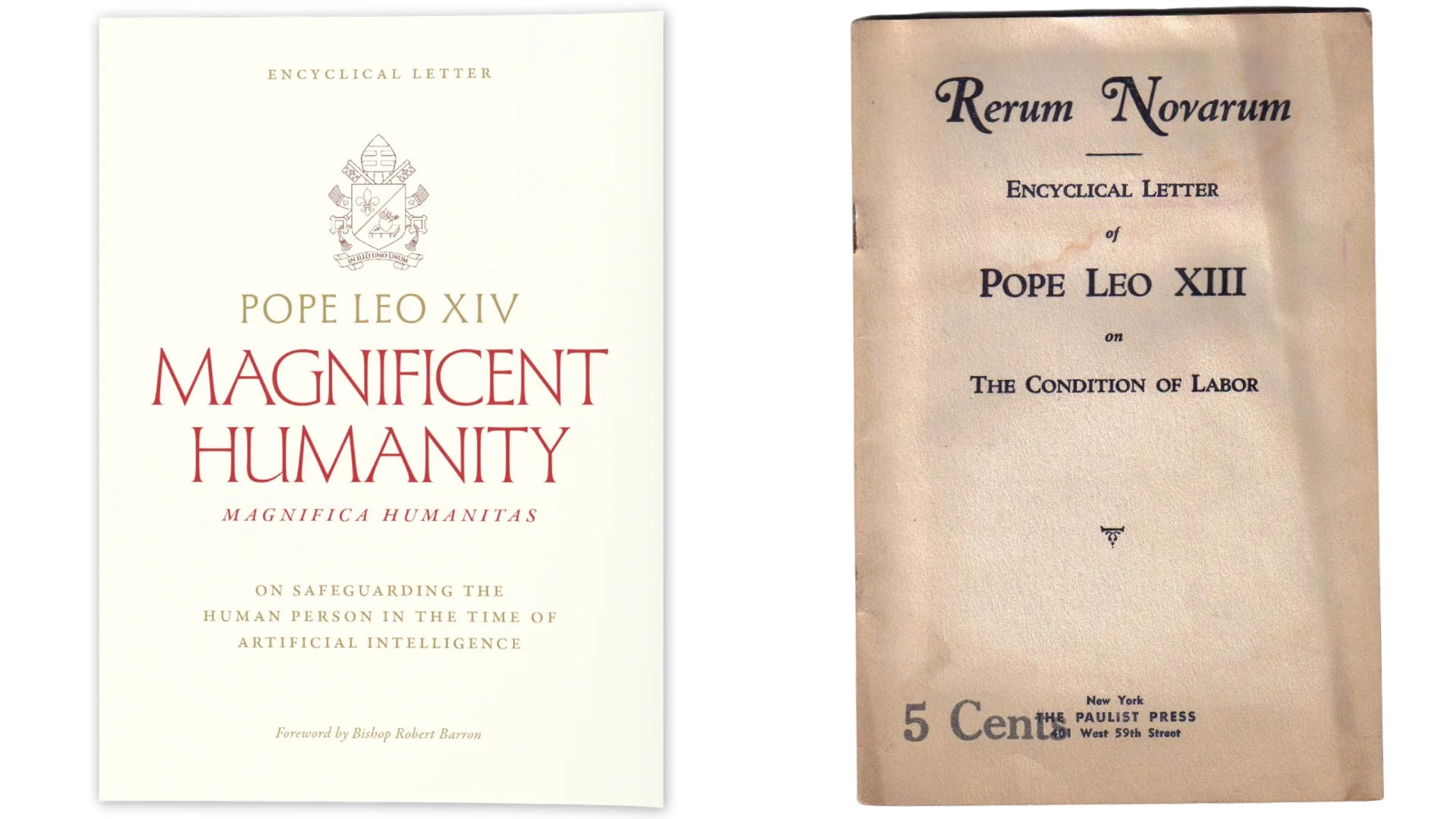
The pope is speaking to the many for whom work isn’t a burden that starts at 9 and ends at 5. It’s a passion, a mission, even a calling.
David Durman said no to AI. The rest of us have a choice too: what work we give to AI and what we keep.
The time AI saves us is a gift. Spend it on what you’re called to do.
Dad Joke: What do you call a turkey and cranberry sauce stain? “The Mark of the Feast.”