

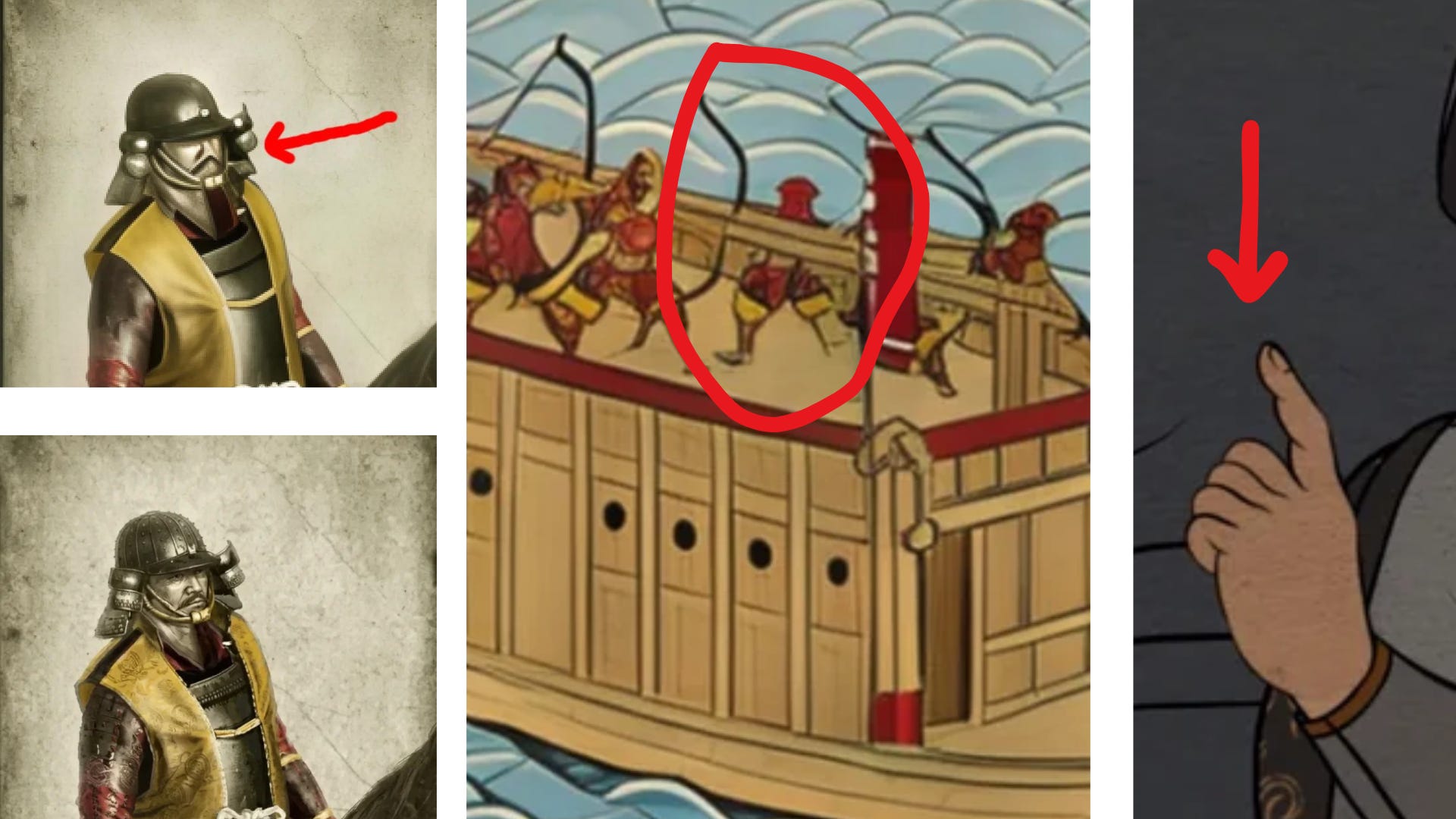
Last week Sega pulled a remastered version of Total War: Shogun 2 from the market and issued an apology, saying the game had “fallen short of both your expectations and our own standards.”
Gamers lambasted its remastered artwork for AI-generated mistakes including melted armor, a soldier impaled by a ship’s mast and a samurai with six fingers. Others tagged it a “Psychological Horror” and called it “Literally the greed they talk about in the Bible.”
The #1 rule for deploying technology is don’t piss off your customers. Sega broke that rule, and its mistakes are a warning to any company relying on a partner for its AI.
Wrong game, wrong audience
Remastering a game is normally easy money. Slap a new coat of paint on an old title and sell it to people nostalgic for the original.
But who buys a remake of a 15-year-old strategy game? Not players killing time on their commute, but ones who played the original for a hundred hours and remember the tiny details.
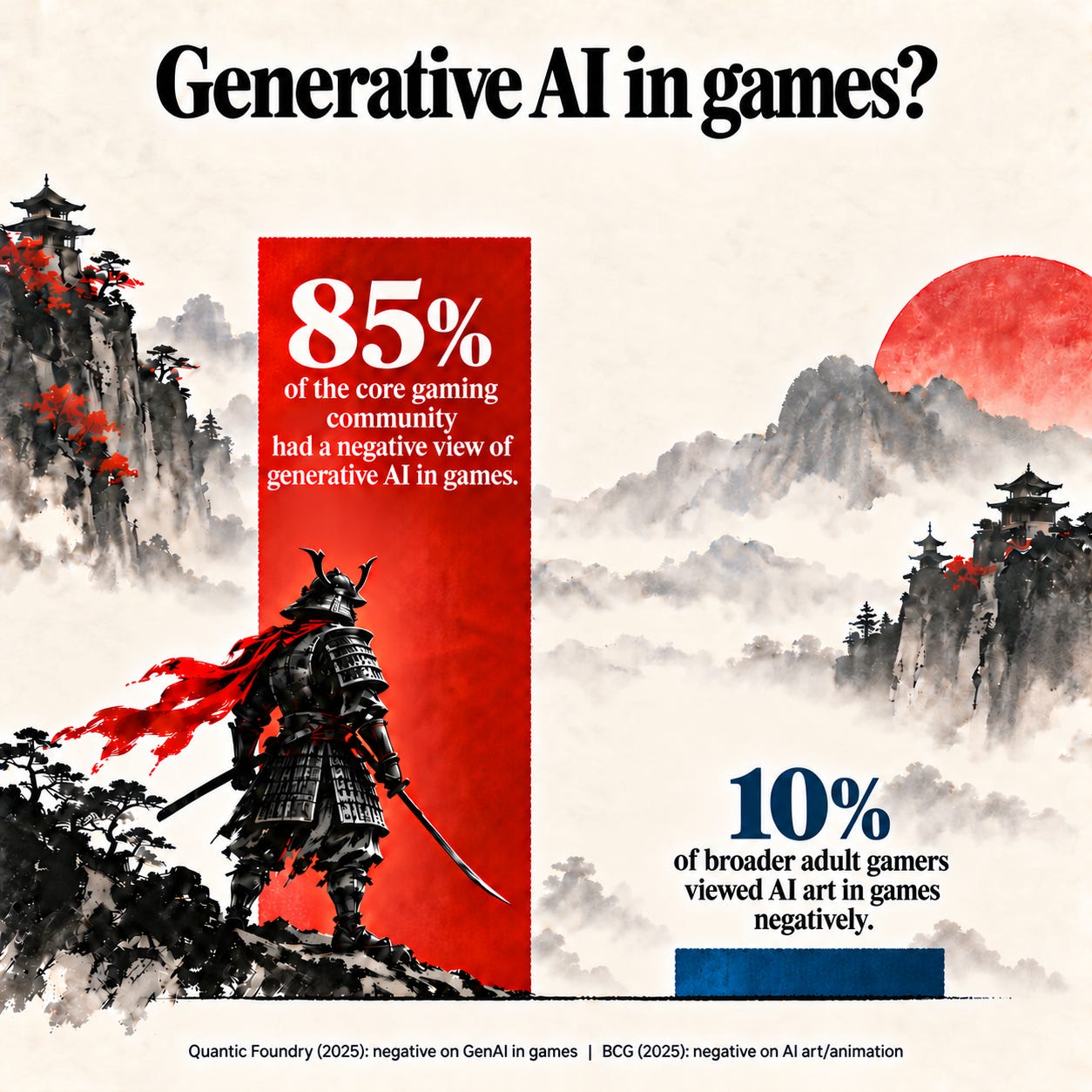
Gamers are split on AI-generated art. In a survey of predominantly core and hardcore gamers, 85% had a negative view of generative AI. But in a broader survey, only 10% of adult gamers viewed AI art negatively.
Shogun 2’s buyers are in the first group. A gamer who will fork over $40 for a fresh coat of paint is the same gamer who will inspect every brushstroke.
The governance blind spot
Just a week before Shogun 2’s launch, executive Tsuyoshi Saito said the company was “very cautious about its use in the game development process, and we are not entrusting the creative aspects of games to AI.”
His words are backed by strong AI governance: guidelines, task forces and committees staffed with legal and PR pros to ensure AI doesn’t slip through the cracks. Even so, fan complaints forced Sega to clarify its AI use on Crazy Taxi World Tour this summer.
The cracks in governance split open when Sega outsourced the remake of Shogun 2 to a third-party developer. Outsourcing is common in the industry, but requires a different level of oversight than managing your own team. Sega’s committees were built for policies and contracts, not inspecting imagery frame by frame. That job takes humans with the same eye for detail as your biggest fans.
You can bet Sega’s lawyers are poring over that contract for “no AI” language, but a lawsuit won’t undo the damage.
The AI gamers want
The original Shogun 2, launched in 2011, was touted for its cutting-edge AI that “constantly analyzes its situation and reacts to your every move with greater precision and variety.” But that AI didn’t draw art.
Gamers love AI when it makes a game more realistic. Instead of fighting a boss who makes the same moves every time, you’re hunted by an alien who learns where you hide and what your footsteps sound like. Instead of a shopkeeper who’s a pop-up menu with a grin, yours will catch you stealing, blacklist you and meet you in an alley with a shotgun.
Gamers also benefit from AI that writes code, fixes bugs, and improves performance. Gaming platform Steam requires disclosure for AI-generated art, but not AI that’s used behind the scenes.
The line is pretty clear: gamers want AI that makes the game better. They don’t want AI that replaces the handiwork they paid for.
My favorite games, Bloodborne, Sekiro and The Last of Us are all known for obsessive attention to detail. I’d welcome an AI that reduces bugs and makes their bosses smarter. But if the Last of Us III features a six-fingered Ellie, I’ll join the mob with a pitchfork.
The $3 billion test
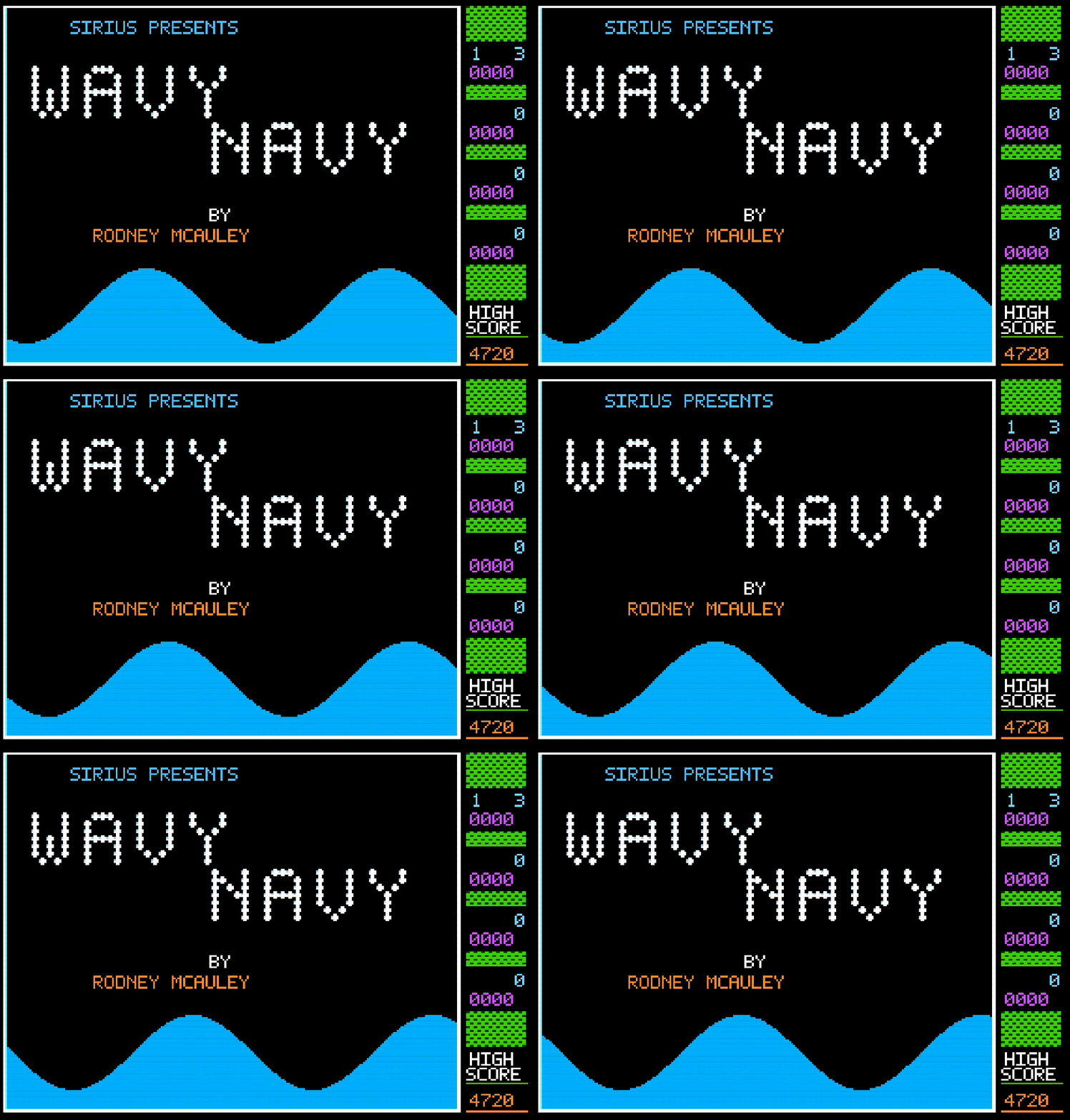
Almost anyone can make a game with AI. One of my childhood favorites was “Wavy Navy” on the Apple II Plus. ChatGPT’s Codex built a playable version in an hour.
Thanks to AI, app stores are flooded with new games. 181,000 new titles launched in the first 6 months of 2026. The flood hasn’t translated to usage; the top 1% of companies took in over 90% of sector revenue last year.
When throwaway games are everywhere, a game that costs $40 and takes a hundred hours to play better be great.
That’s the backdrop for the gaming event of the decade. Grand Theft Auto 6 has been called “one of the biggest entertainment launches in history, not just in games but for all of media.” It’s projected to make over $3 billion in its first year.
Anticipation is sky high. One Army commander offered a special four-day pass to soldiers who re-enlist. An NBA player predicted sports league performance would dip due to distracted players.
Grand Theft Auto’s builder Rockstar has had its own AI struggles. Five years ago, it issued an apology after fans dubbed GTA: The Trilogy - The Definitive Edition “The Defective Edition” for shoddy AI graphics. Just like Sega, Rockstar had outsourced the game to a third party.
The company is trying to thread the needle. Strauss Zelnick, CEO of Rockstar’s parent company, said it uses AI and machine learning heavily, but that it has “zero part” in the new game. The game’s setting, Vice City, is being crafted “building by building, street by street.”
He’d better hope so. Given the amount of hype, you can expect gamers to scrutinize every city block.
The #1 lesson
Sega’s lessons aren’t complicated, but are easy to miss.
Use AI where your customers want it and not where they don’t. With partners, a contract isn’t quality control. If it’s your product, inspect it before you launch it.
Otherwise, you might end up with a six-fingered samurai.
Dad joke: What did the pirate in Shogun 2 say? Samur-aye-aye captain!
Thanks for sharing this post. This is a classic case that highlights fast speed does not equal to high quality and right direction. Currently, AI has turned into this new shiny hammer and everything has turned into a nail.