


On Thursday OpenAI announced GPT-6 Astra, which it hailed as a breakthrough in the path to full Artificial Intelligence.
Every launch gets called a breakthrough, but one specific improvement came in the field of computer use, which means, well, using your computer. ChatGPT is moves your mouse pointer and types on the keyboard just like you.
AIs have had this ability for two years, but they were so slow and painful to watch that people likened them to a monkey using a hammer.

GPT-6 Astra is more accurate and almost twice as fast as previous models. It held up well in my tests: It found the lowest price Gatorade from Walmart and had it delivered the following morning.
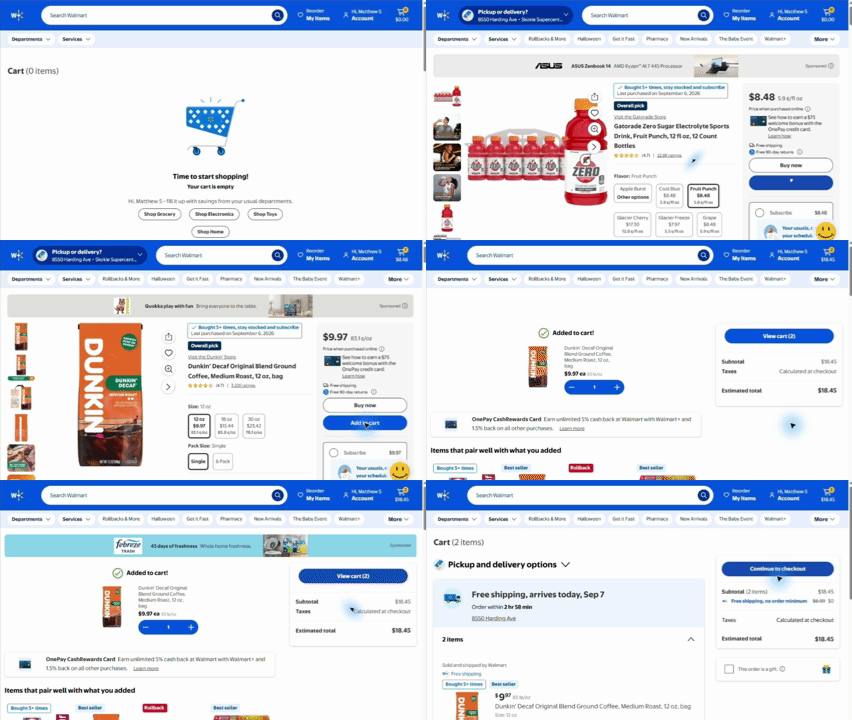
It’s easy to imagine having ChatGPT fill out medical intake forms, enter information into TurboTax, or register your kid for summer camp. Clever employees will have it sit through self-study AI training for them. 🤦
But its biggest potential is for business users.
Meet Bob
Bob is the office manager at a 250-person law firm. Every month Bob restocks office supplies, which is a chore. He gets paper from one vendor, light bulbs from another and toilet paper from a third. All told, Bob buys 100 products from 15 different suppliers, each with their own website.
Instead of slogging through each vendor’s site one by one, Bob asks ChatGPT to do it. It updates a spreadsheet with prices and shipping options. He checks its work, and everything looks good. Next month its research is solid again, so Bob starts letting it buy on his behalf.
It isn’t perfect. One month it pays $50 on overnight shipping for paperclips. Another time it buys 8 toner cartridges, ignoring a supplier discount for 10. Bob has to quell a mini revolt when ChatGPT buys private label coffee instead of Starbucks.
These mistakes are annoying, but an extra $50 for shipping is well worth the eight hours a month it saves Bob.
The Three-Day Weekend
Six months later, Bob’s taking the kids camping for Labor Day. It’s Friday afternoon and his wife texts for an ETA, reminding him that traffic is building.
Bob is behind on buying office supplies, so he quickly scans AI’s recommendations, tells it to proceed, and heads out.
Wednesday morning, Bob’s still wearing his post-vacation glow and trying not to scratch a mosquito bite when he gets a call from the receiving dock. “Can you come down here? Staples just delivered a truckload of paper and we don’t have room for it.”
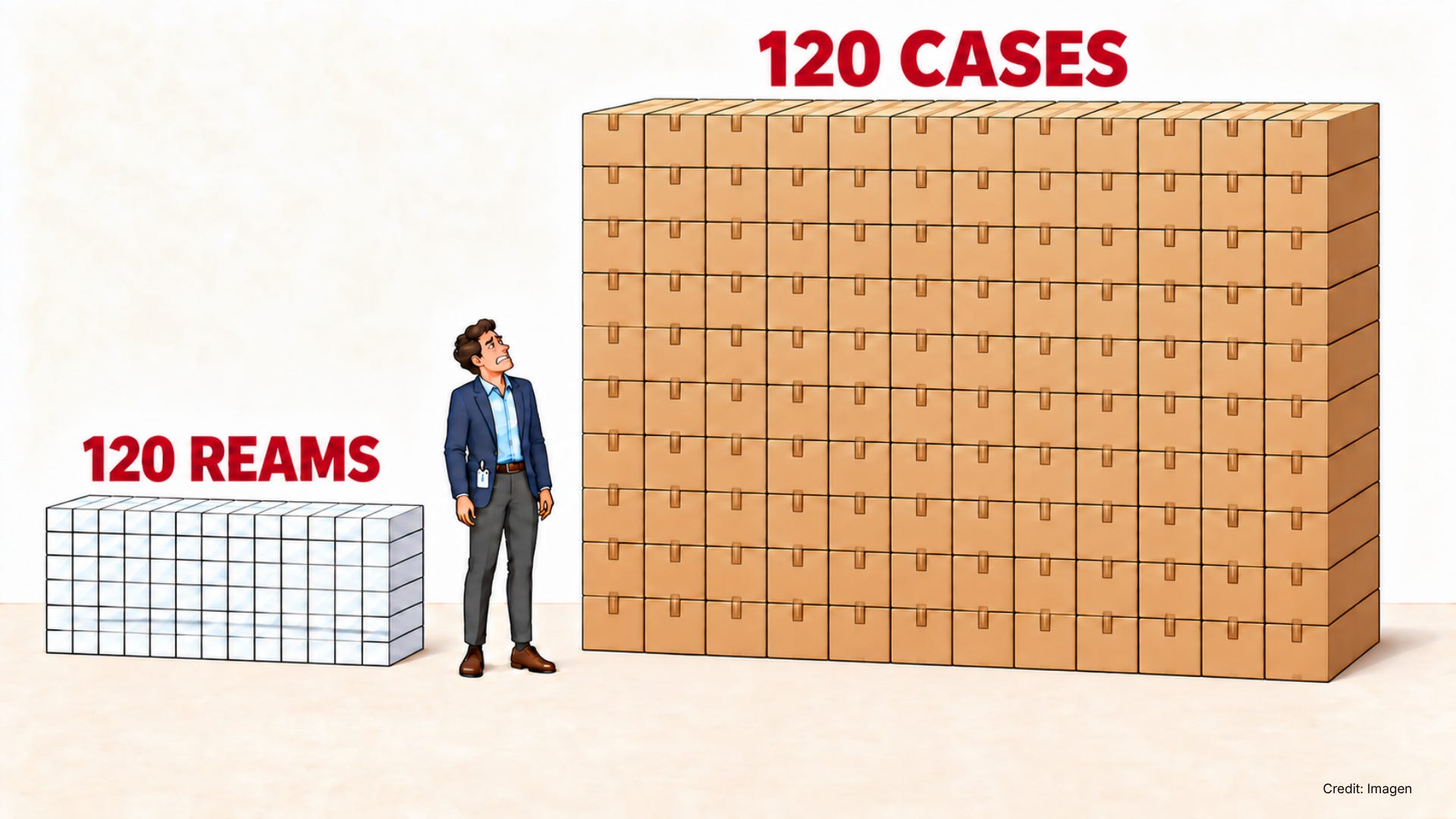
Bob gets a sinking feeling and checks his email. The AI ordered 120 cases of paper instead of 120 reams. He spends the morning hauling paper up to the conference room and apologizing profusely to his boss for blowing the yearly paper budget in a single month.
So much for Bob’s ChatGPT buyer.
Twenty Bobs
Bob’s mistake wasn’t using AI. It was using it clumsily for a task with financial stakes.
Now imagine a Fortune 500 corporation with twenty purchasing agents. Twenty buyers means twenty times ChatGPT could overbuy paper, but it also means twenty buyers could save hundreds of hours a month with AI.
Companies have mimicked human software usage for decades under the name robotic process automation. With RPA, you simulate a human workflow, test it and monitor it. Computer use makes RPA as easy as recording an Excel macro.
Before you Hand Over the Mouse
There are real challenges with having AI act as you:
Decision-making: AI doesn’t know what needs fast shipping, which volume discounts are worth buying, or what brand will keep the coffee snobs happy.
Authorization: You want your AI to get a good price for toner, but you don’t want it to sign a three-year contract with a shady vendor.
Tracking: If Bob’s intern placed an order for cases instead of reams, he can ask why. But with an AI, you don’t know if it misunderstood the spreadsheet, made a reasoning mistake or the supplier changed its website.
Security: A hacker can plant hidden instructions on its website telling the AI to disclose corporate secrets.
These issues can be managed with guardrails that control the AI’s actions. For example:
Require human approval for extras like expedited shipping.
Give the AI its own userid with no ability to sign, modify or cancel contracts.
Set a $500 spending limit on AI’s credit card.
Have AI keep an activity log with screenshots of each action.
Restrict AI users’ access to sensitive company data.
Companies should train employees on these guardrails, and make it clear that they are responsible for actions AI takes on their behalf.
Training wheels
Say “company-wide ChatGPT computer use” and your CIO’s face will turn pale. Many will turn it off. That’s a mistake.
Companies can and should use RPA to automate core functions like purchasing centrally. But there are plenty of activities that are temporary, unique to an individual, or low stakes. Consider the distributor in Brazil filling out import tariff forms or the events team entering 100 attendee names onto the nametag labelmaker. Computer use can save them hours. And when several employees start using AI for the same task, consider building it once for everyone.
AI computer use is like a six-year old riding a bicycle. They can go fast, but they can crash. That crash might turn your conference room into paper storage.
Give them training wheels, but let them ride.
Dad Joke: What did mice call their snobby classmates who wouldn’t talk to them? The Mouse “clique” 😂