


What a week! 187 people, 26 presentations, 706 slides, and AI destroying humanity barely got a mention. We had more important things to talk about.
Tuesday I led a private AI strategy session. Friday I hosted UW’s agentic AI forum. In between, I taught an AI transformation certificate and hosted the fall meeting for our executive advisory board.
Here are five conversations that stood out.
The CEO: No shiny objects
The week opened with a strategy session with a CEO and his executive team.
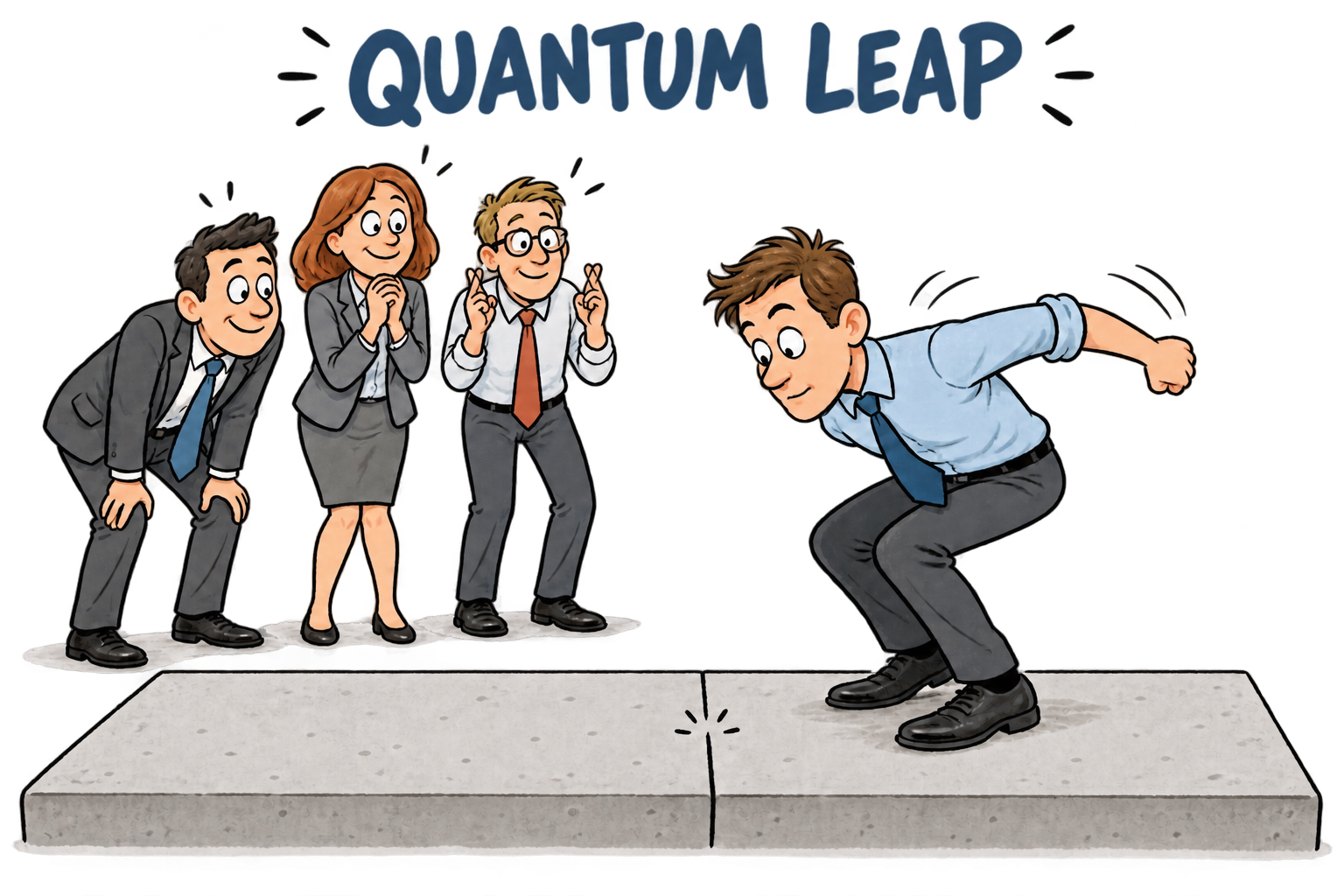
We talked about Newell Brands, a peer that makes Rubbermaid, Crock-pot and Sharpie. Newell had publicly shared their sweeping AI program called “Quantum Leap.” Competition usually raises executives’ blood pressure, but this barely registered because the specific initiatives (product innovation, cost cutting and marketing optimization) were boilerplate.
The CEO noted that a quantum is the smallest unit in physics, so a quantum leap is a tiny jump. Ouch.
He was just as wary about his own company chasing AI as a “shiny object” and clear-eyed that their success comes from making great products. You’d think skepticism would paralyze the group, but they had five AI projects underway and were scoping another ten.
The IT Leader: The G Word
The next day, I kicked off a two-day Leading AI Transformation Program for twenty business leaders. We covered the gamut, from strategy to deployment to leadership and change management.
The least fun part of talking about AI is…sigh…governance. Everyone loves AI’s possibilities, but nothing happens if Legal says no. Or IT, or HR, or Finance, or Purchasing. The number of stakeholders means a single meeting can turn into months of getting everyone on the same page.
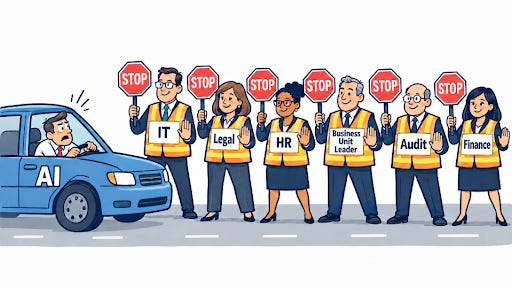
Governance doesn’t exist in isolation. Executives complain that employees aren’t using AI, but then create a five page “responsible use” policy and restrict the latest models to software developers. Good governance enables progress by balancing safety, usage and cost.
An IT leader in our class was deploying governance to extract his team from the minutiae of every single AI decision. This lets him spend time with power users finding use cases that could scale.
AI is bigger than IT can handle on its own. It needs a C-level sponsor, a decision-making group, and day-to-day “champions.” Building this now will save chaos and endless politics later.
The AI champion: Knives out
That night I met a buddy for a drink. His department is all-in on AI, with huge benefits. Peers started asking his team for advice, and they’ve become the company’s AI “champions.”
All of a sudden IT has its knives out. They “own” AI because they rolled out Copilot with a responsible use policy, but don’t have the expertise or staffing to support the surge in AI questions and projects. My friend wasn’t looking for a turf war, but he could get backstabbed at the next leadership meeting.
Corporate executives are competitive people, and they earned their titles by surviving the arena of office politics. Ad-hoc groups like “AI champions” are critical but create tension because they don’t fit the official org chart. Executive-level support for your champions is a must or they’ll end up getting knifed.

The VP of Finance: Token Costs
Thursday night was the fall meeting of our AI Hub executive advisory board. We were lucky to have the group together, as thunderstorms shut down O’Hare for three hours.
Our conversation focused on dollars and cents. A VP of Finance is scrambling to get costs under control. This summer’s soaring agentic AI use and shift towards usage-based pricing blew through AI budgets. He deployed spending caps by person and department, and is tracking project-level ROI.
When companies hold budgets steady, it’s either cut AI costs, cut software, or cut headcount. But those economics aren’t clear. Another executive surveyed his peers and found that replacing humans with AI could cost anywhere from $12,000 to $40,000 a year per person. With the cost of an offshore employee at $15,000, the math for large-scale replacement is murky.
The Arborist: 7 hours to 20 minutes
The whirlwind culminated on Friday with our Ground Truth: Agentic AI forum. The energy was electric, with a standing-room only crowd.
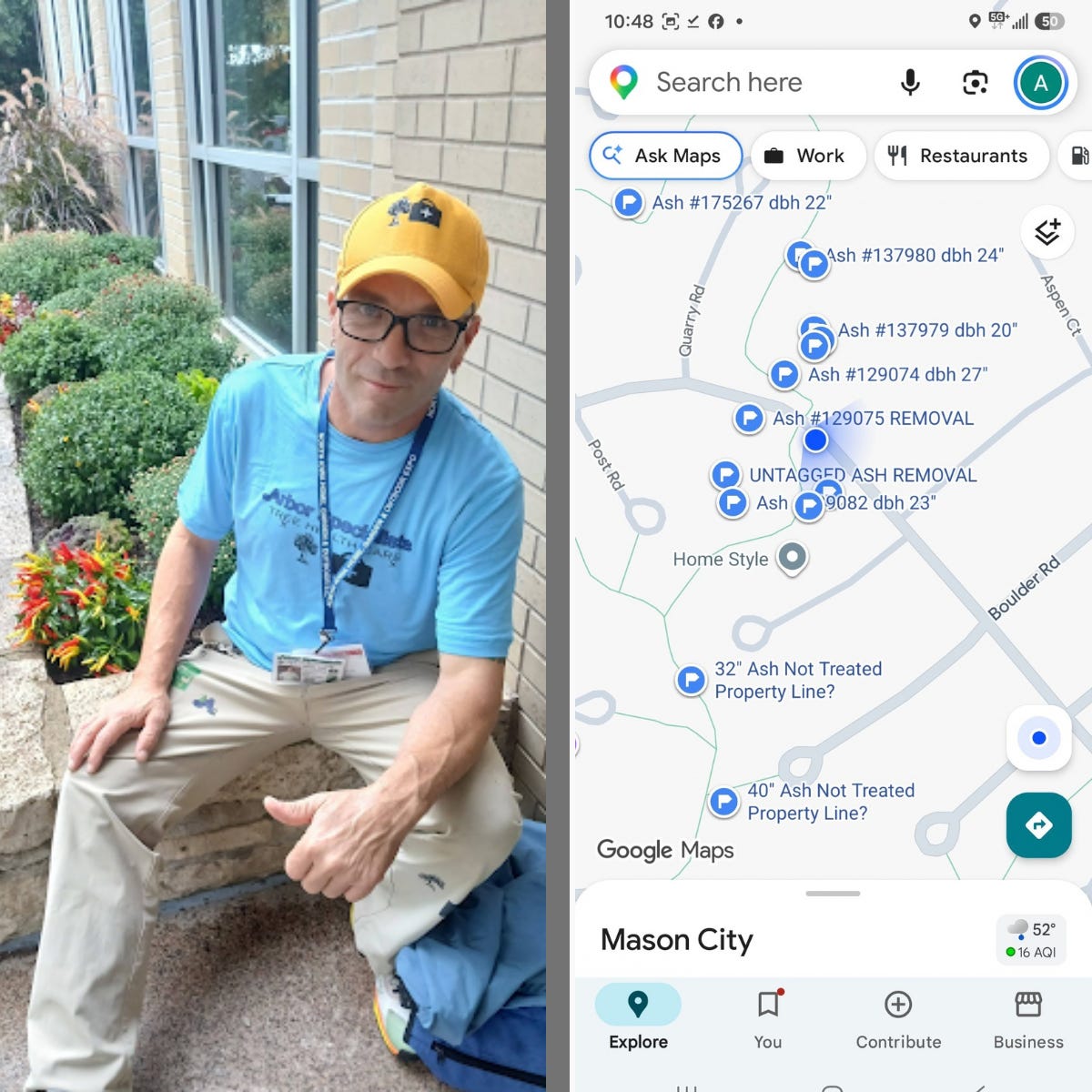
The most interesting person I met that day was Jesse Fox. He’s the Lead Arborist at Arbor Specialists Tree Health Care, a company with a perfect website address: tree911.com.
His ears perked up when the MattressFirm eCommerce EVP shared how they are using AI to help their “Sleep Experts” give better advice to shoppers.
He’s doing the same for trees by handing off grunt work to AI. He marks up Google Maps screenshots with each tree’s species and condition, then passes them to an AI to draft proposals. AI cut his proposal time from 7 hours to 20 minutes. He spends that time saving trees instead of wrangling estimates.
AI for real
Having one foot in big tech and another in business is strange: one day a tech bro mocks me for not building my own self-learning AI operating system, the next someone’s calling me a “clanker” for posting about AI in the movies.
Here in Wisconsin, companies aren’t oblivious to that debate. It’s just that we have actual work to do.
That means ignoring shiny objects, building real governance, making cost tradeoffs, offloading grunt work, and sigh, dealing with office politics.
Let’s get on with it.
Dad Joke: What do the female physics teacher’s kids call her? Quant-Mum 😂