


AI’s New Bottlenecks: Remember Herbie?
Alex Rogo runs a factory that’s falling apart. Herbie is an overweight Boy Scout with an overloaded backpack.
They are two unlikely characters in The Goal, a 1984 business novel that taught bottlenecks to more than ten million readers. Forty-two years later, it’s still required reading at most MBA programs.
In its most famous chapter, Alex is leading his son’s Boy Scout troop on an overnight hike. Herbie keeps falling behind, and Alex has to make the other kids stop so he can catch up. They eventually reach camp tired and behind schedule.
The next morning, Alex stops cajoling. He puts Herbie in the front so the troop has to keep his pace. The boys realize if Herbie speeds up, they all do. They offer to carry some of his weight, and they make the return trip ahead of schedule.
Herbie is a bottleneck. And every process has a Herbie: the slowest step that holds back all the others.
Today, Alex Rogo would have his hands full. AI is creating new bottlenecks and overwhelming others with an avalanche of AI output.
Bottlenecks on the move
Ground zero for shifting bottlenecks is AI-assisted coding.
A 2026 Faros study of 22,000 programmers found that they are delivering 66% more features thanks to AI.
This productivity comes with a cost. Last year’s study showed bugs had risen by 9%. Twelve months later, that number had exploded to 54%.
The volume of AI output also means new code waits more than five times longer for review than it did a year ago.
Rockstar developers are suddenly spending their days slogging through AI-generated code instead of writing their own. Facing a new bottleneck (and crabby rockstars), companies are building AI into their quality processes. At Cloudflare, new code is reviewed by seven specialized AI agents before reaching a human.
In software development, bottlenecks have moved. In consumer goods, they are piling up.
An infinite aisle of ideas
Try this: “Hey ChatGPT, give me ten ideas for Nutter Butter flavors targeted at Ironman athletes.”
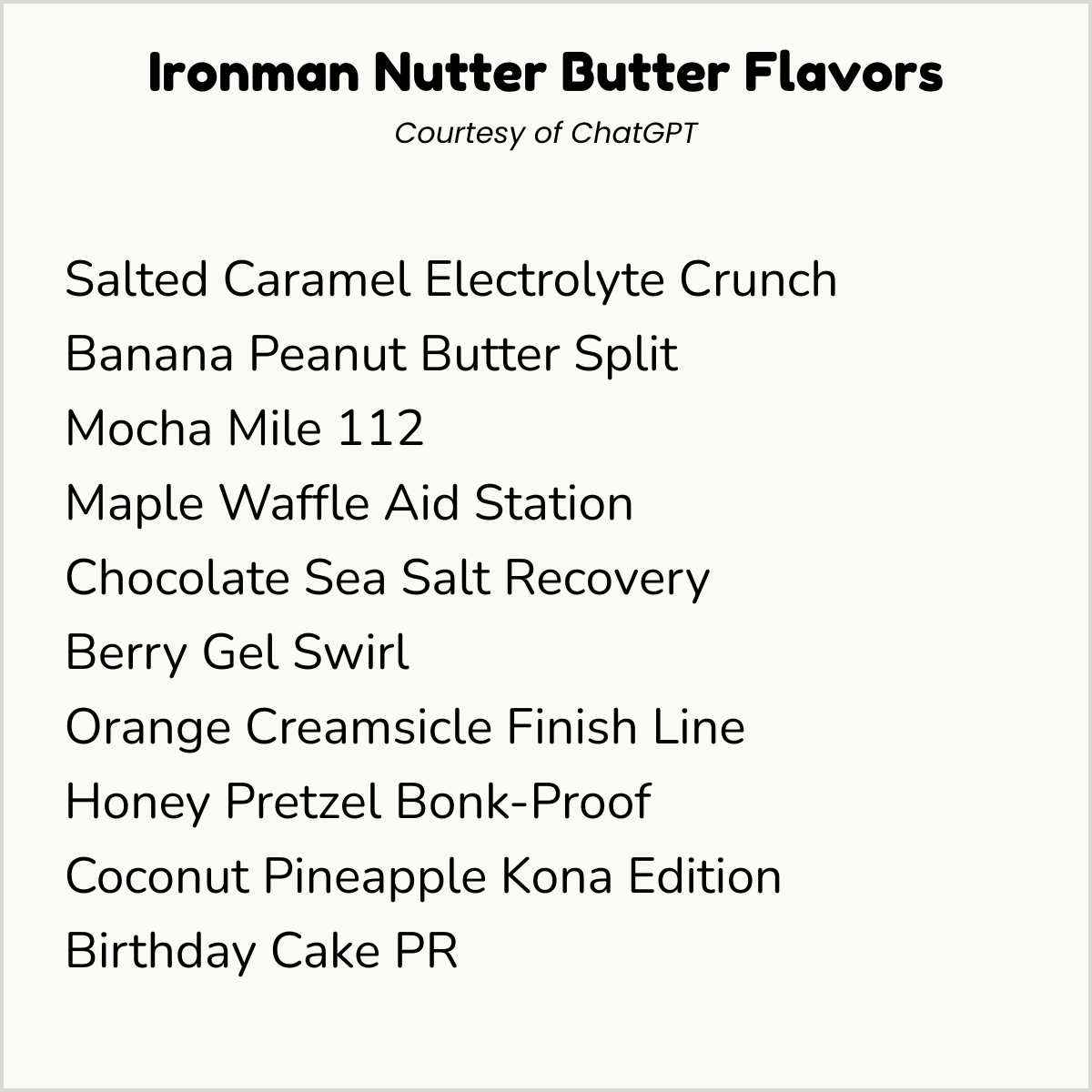
Yum. Now imagine doing this with a model trained on Nabisco’s flavor research, product portfolio, sales history and consumer trends. That’s what parent company Mondelez did.
Their snack-development AI cuts the time from concept to production by 75-80%. They’ve used it to launch 70 new products, including Gluten-Free Golden Oreos.
Coca-Cola, P&G, Unilever, and Nestlé all have similar AI platforms to develop concepts. Some go beyond design; testing flavors with synthetic AI personas.
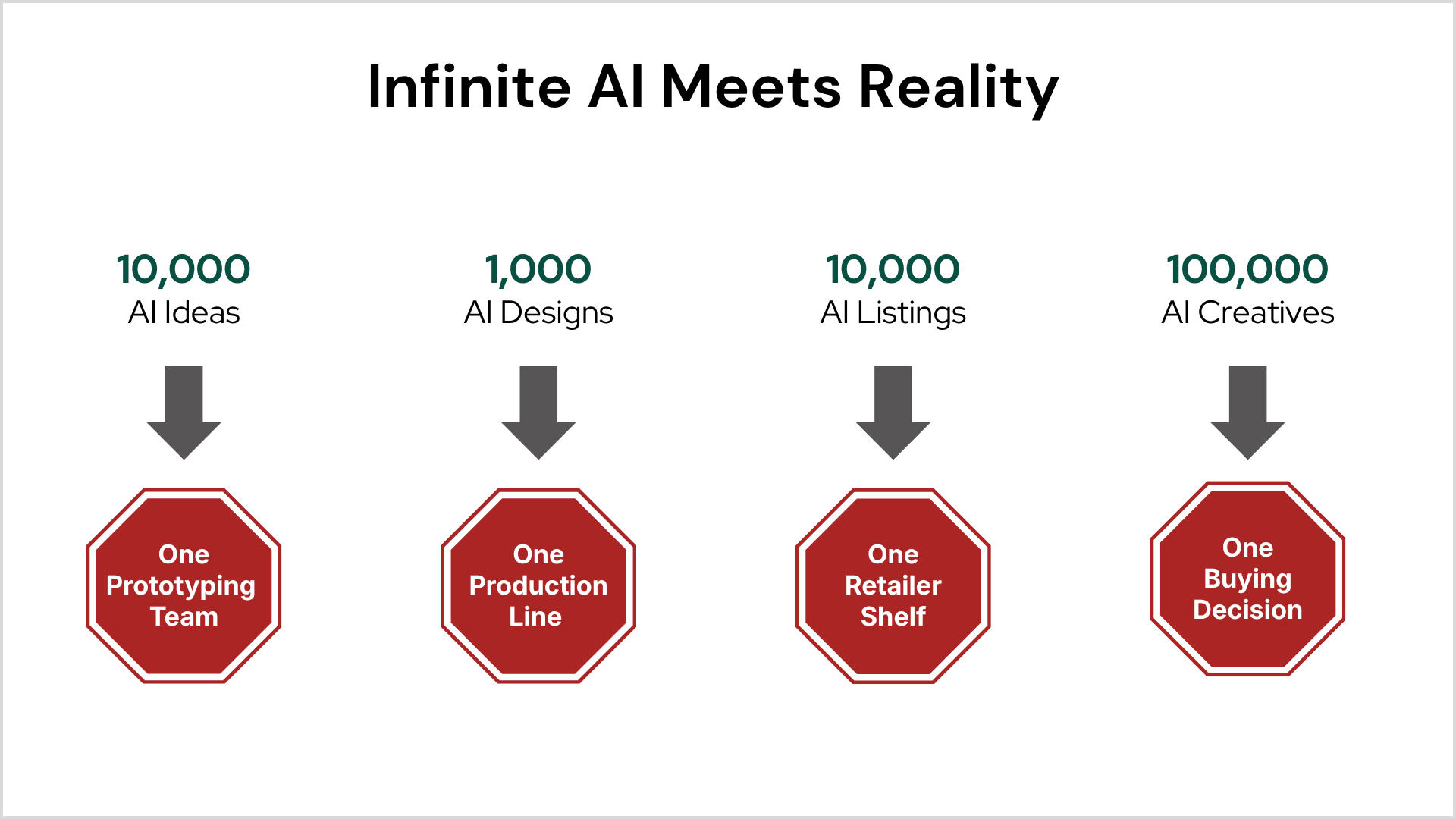
Generating ideas has gotten easier. Getting them on the shelf hasn’t.
The gauntlet tightens
It’s easy to come up with Birthday Cake PR Nutter Butters. It’s a lot harder getting through the real-world obstacle course:
Can we actually cook them?
Can the factory mass-produce them?
Can we afford the inventory?
Will Walmart put them on the shelf in 10,500 stores?
Will the packaging sell them in three seconds?
With every company chasing the same shelf space, running this gauntlet has become like scoring tickets to Taylor Swift’s Eras Tour.
Winning at the bottleneck: Dominos
A 2026 industry study found delivery speed is the single biggest driver of pizza customer satisfaction. Faster deliveries mean repeat customers, more sales and bigger driver tips.
Domino’s is using AI to start cooking before orders are placed. They track customers during their checkout process, and when the likelihood is high enough, the pizza goes in the oven. They’ve done the math: the time saved outweighs the cost of wasted dough.
Domino’s calls itself a “tech company that sells pizza.” They’ve made that real by not just using AI, but deploying it at the bottleneck: pre-baking, GPS delivery, cameras scanning every pizza before it leaves the store. All focused on one goal: getting hot pizza to your door fast.
Back to the factory
Alex Rogo’s factory had a sexy new machine called the NCX-10. It was the most efficient machine in the plant.
Naturally, they decided to use it for everything. They even retired other machines that worked but weren’t quite as fast. Before long, the NCX-10 got overloaded and parts stacked up waiting for their turn.
Alex solved the bottleneck by bringing back the retired machines to lighten the NCX-10’s load.
The risk with AI is the same. It’s new, fancy, and it makes for a great resume bullet.
But Alex Rogo didn’t improve his plant by buying faster machines. It got better because he understood where to use them.
Dad Joke: What does Dominos do with pizzas when customers cancel? They eat them. 😂