


Last week Meta’s controversial employee monitoring program blew up in its face when it leaked private information to the entire company.
Microsoft also came under fire for its new location-tracking feature that “Narcs on You to Your Boss.”
These make headlines, but a more mundane case is becoming real: 40 percent of companies use listening tools like Granola, Gong and Otter.ai to take meeting notes.
They’re doing more than just notetaking. Sales teams at companies including Google, LinkedIn, and Microsoft are using AI to coach their reps.
AI coaching has a lot to offer, but having a second boss that hears everything is pretty darn creepy.

A boss who hears everything?
One day at Google, I was in a meeting and my messages exploded. “OMG!,” “Congrats!,” “So cool!”
My VP’s boss had singled me out on a company all-hands meeting for a customer win.
The recognition was great, but a little awkward since the project wasn’t my best work or my biggest success.
This cuts both ways; everyone’s had a review where they got dinged for something trivial because it’s what the manager heard about.
Human bosses catch some things and miss others, and employees have to hope they catch the right ones.
At Google I had as many as eleven direct reports. My analysts sat with their sales teams, and it was rare that I joined their client meetings. Writing performance reviews meant piecing together feedback from their peers with what I knew.
Enter AI who can listen to every sales call, every team meeting, and read every email.
Instead of crossing their fingers, employees can trust reviews to be based on what was actually said.
They can also get coaching immediately, instead of waiting until the meeting is a distant memory.
The most surprising part is how people take correction from AI. Researchers found AI feedback produced less shame, and less withdrawal from work than the same feedback coming from a human.
These benefits are real, but a boss who hears everything is one you’re always performing for.
Walking on eggshells
Early in my career a buddy told me “make sure the boss likes you.” Most employees suck up to their manager, and now they have a second audience to perform for.
When AI is listening, employees act differently: 84% of workers change what they say when an AI note taker is present.
If the customer’s sick of hearing about YouTube do you pitch it anyway because the AI’s listening for it? Many will pitch it even if it annoys the customer.
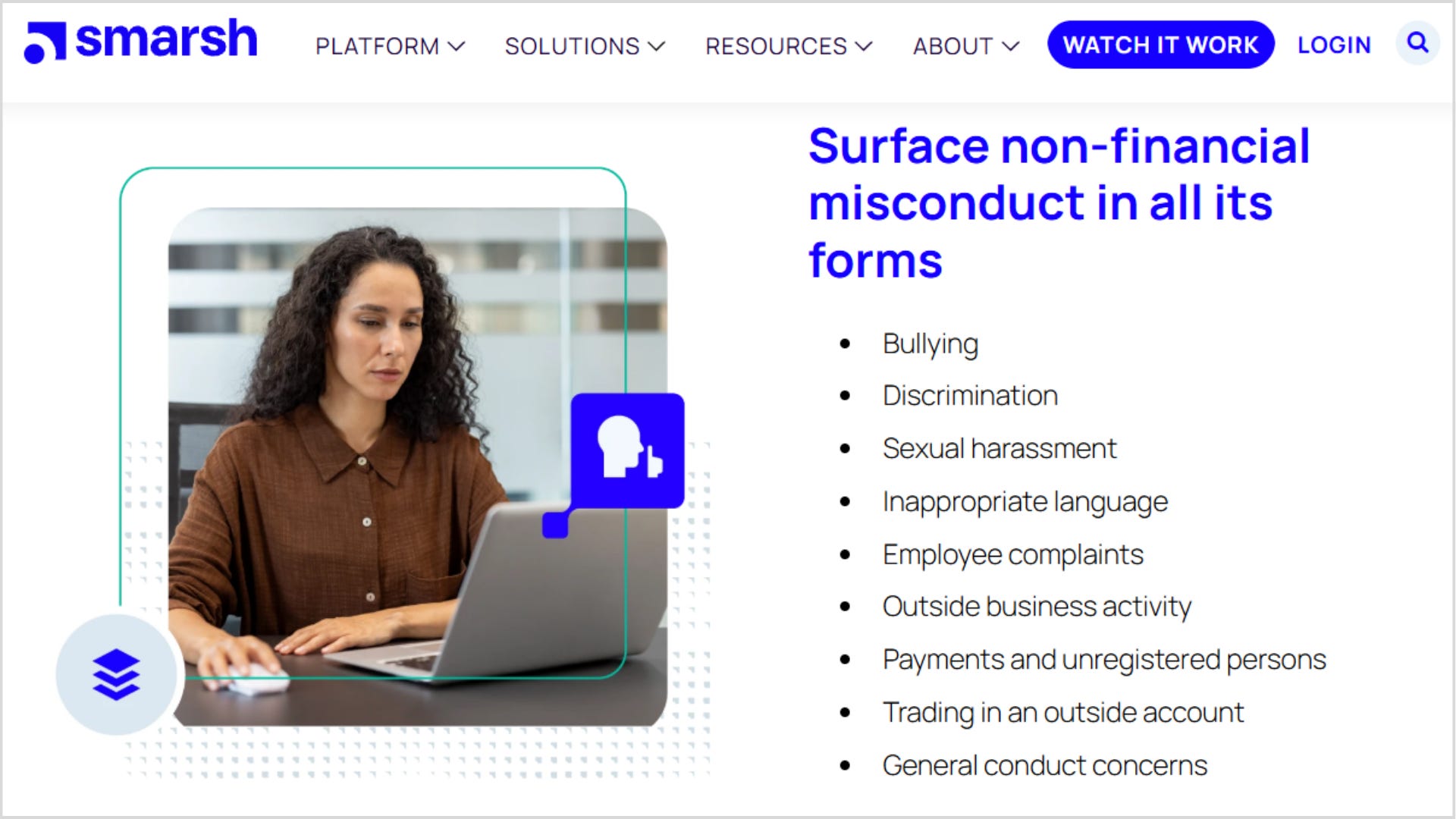
Managers are being watched too. AI surveillance is being used to spot toxic bosses, with platforms promising to “detect hidden misconduct in real time.”
But that can backfire. Good managers adapt their style: being direct with resilient employees and careful with sensitive ones. With AI listening, they’ll act the same with everyone to avoid being flagged as unfair.
The AI said so
One of my employees approached his annual review like a court case. He’d pull up the job description, walk through the criteria one by one, making a case for his promotion.
I wanted to promote him too, but we’d inevitably end up litigating the difference between words like “contributes” and “leads” instead of how he could really grow.
Now instead of “I did all these things, so I’m getting a promotion, right?” It will be “The AI said I did a good job, so I’m getting a promotion, right?”
If the answer is no, the manager risks looking subjective for arguing with an AI who supposedly heard everything.
The gift and the test
AI coaching will be more complete, more consistent, and more timely than a human manager can possibly be. But that isn’t everything.
Remember the study where AI feedback produced less shame than a human’s? It also diminished employees’ belief that they could do the job.
Belief matters, and belief doesn’t come from a computer.
One of the first employees I hired at Google came from a team with a toxic culture. She was gun-shy and I wasn’t sure she’d even stay at the company.
But she was incredibly talented, and I asked her to lead a high-stakes project. At first I gave her a lot of coaching, and then pulled back as she gained confidence. She crushed it and earned a promotion.
Today she’s a rockstar manager, doing for her team what I did for her.
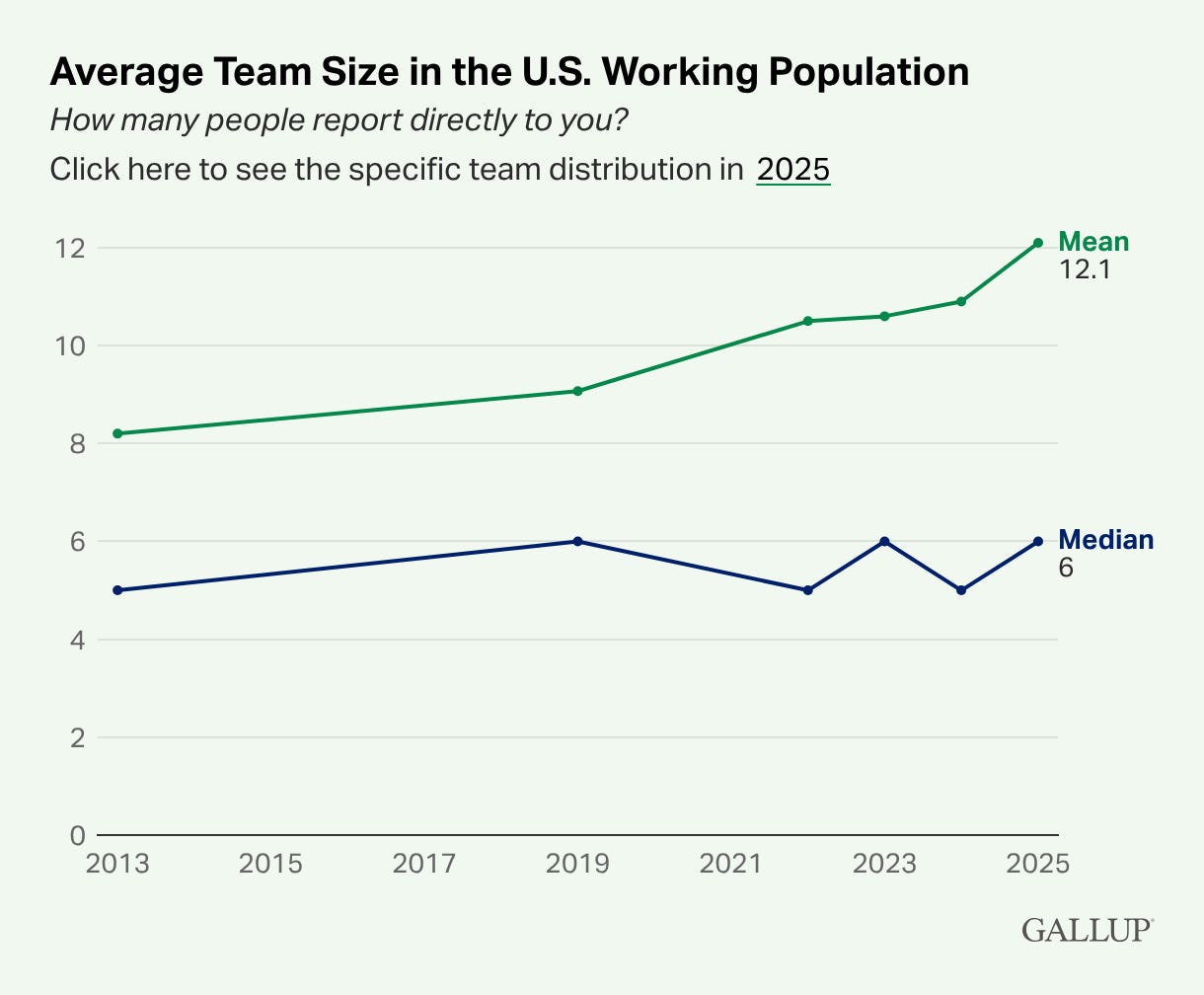
I could invest in her because my team only had eight analysts. Today’s managers average twelve direct reports, up 50% since 2013. They can barely keep up, let alone develop talent.
AI feedback is a gift to managers, and many will rightly bank the time savings.
But instead of banking the time, some will invest it in their people. Learning how they tick, seeing what they’re ready for, and betting on them.
Because if all we have are people who follow the rules a little better, it’s hard to see where the next generation of leaders will come from.
Dad Joke: What did the employee who got a golden Rolex for his anniversary ask? “Who’s watching me?” 😂
Interesting, as usual