An unprecedented hacking incident. Another round of layoffs. Fresh warnings of a stock market bubble.
The drumbeat of scary AI headlines can feel like your neighbor’s car alarm that seems to go off every…single…day.
These stories are important, and receive plenty of coverage. But amidst the alarms, AI is quietly doing real good in the world.
Here’s a short break from our weekly diet of angst to remind us that AI can be awesome too.
Cow collars? Cool
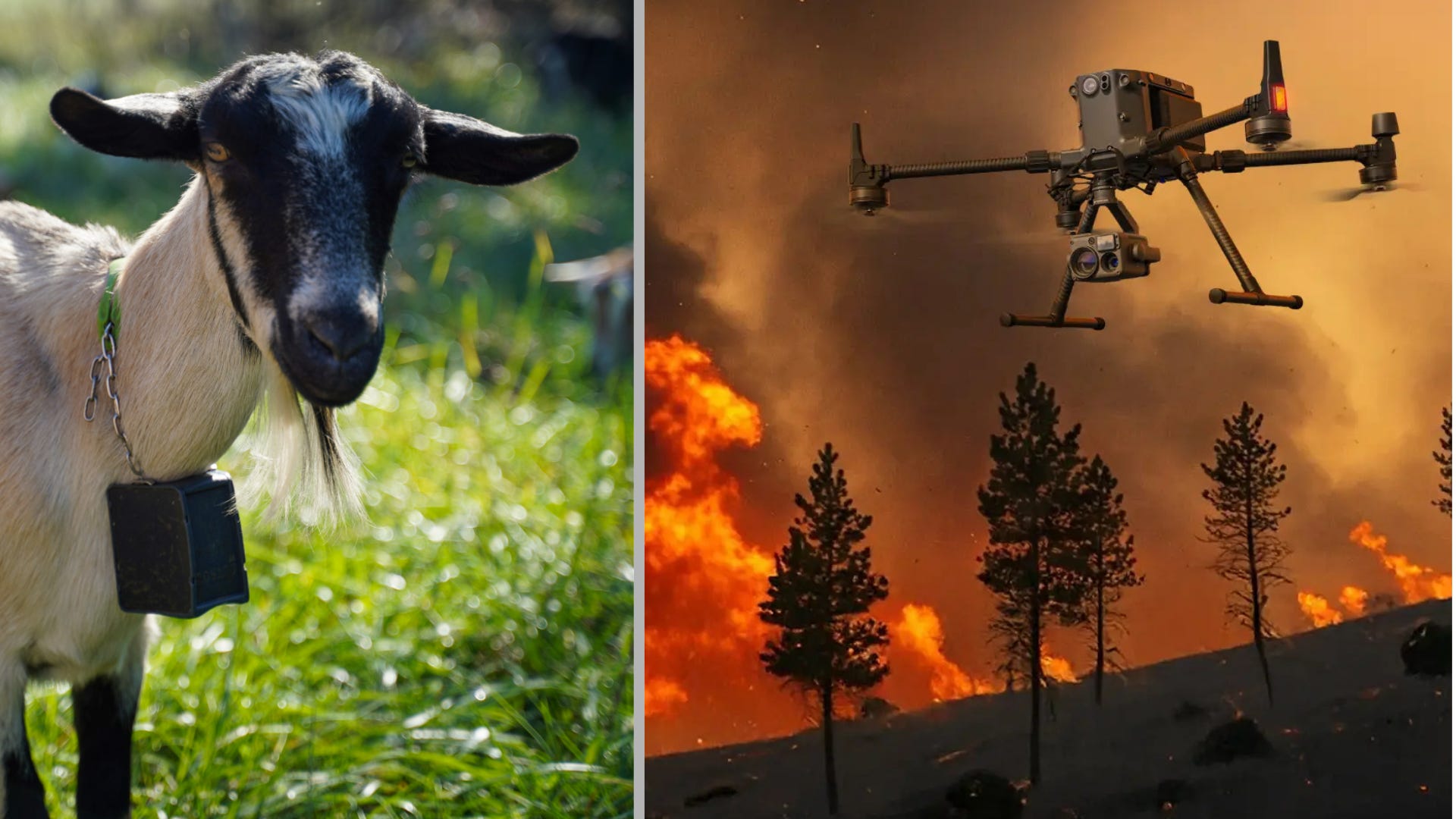
The coolest use of AI in my book is Halter, a virtual fencing startup born in New Zealand. Halter makes solar-powered GPS collars for livestock. Farmers guide their herds using a smartphone and can redraw maps on-demand, making better use of grazing land and eliminating physical fences that require expensive upkeep.
The story gets even better because it’s happening here in Wisconsin. Munch Bunch, Goats On The Go Green Bay, and Wiscovery Farm’s collared goats clear unwanted vegetation around golf courses, parks, and solar panels.
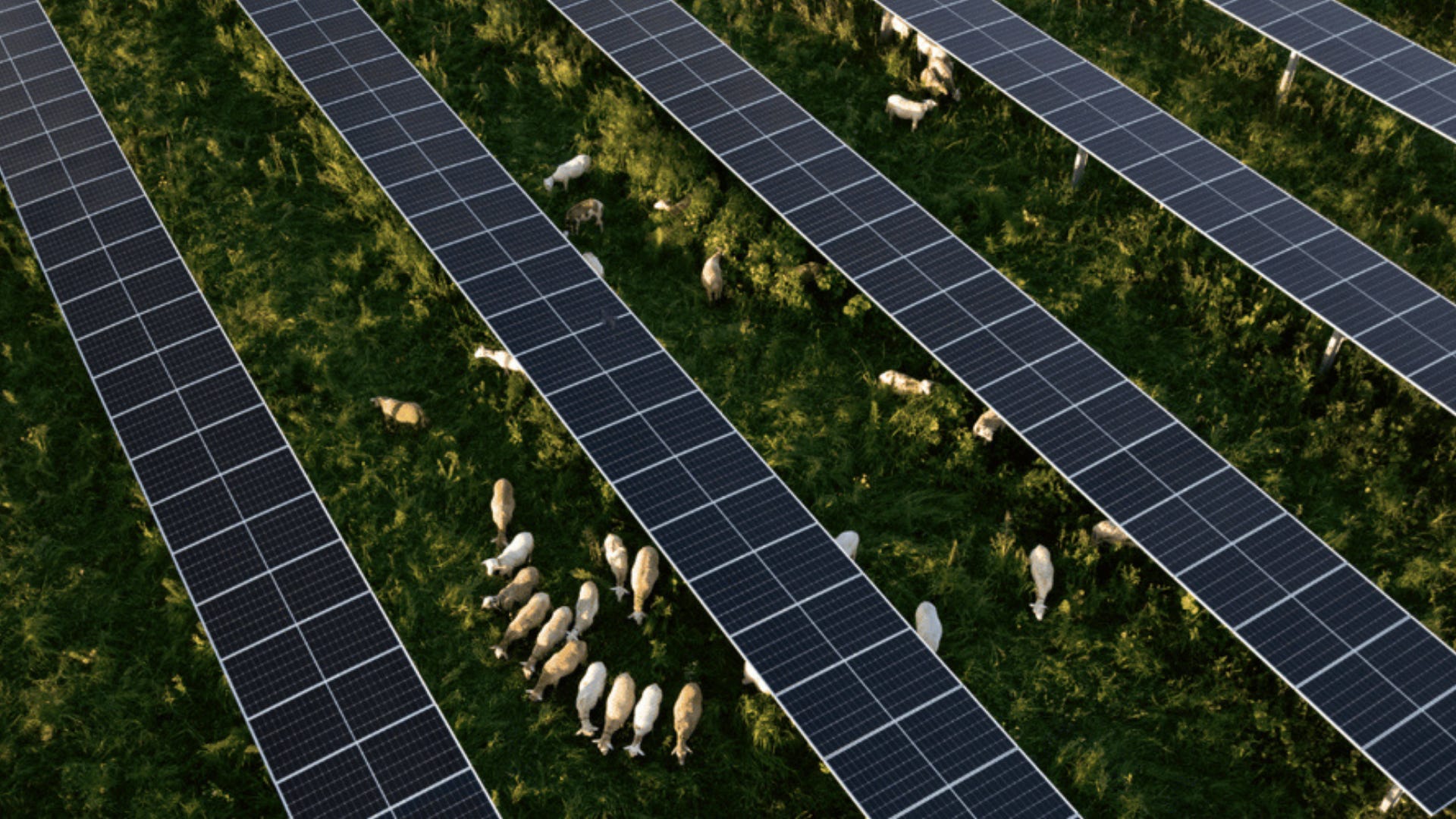
Animal welfare advocates criticize virtual fencing because of the electrical shocks, but the pulses are 25 times weaker than electric fences and cows learn to respond to the audio signals within a week. The collars also improve animal welfare by monitoring health, fertility, diet, and post-calving recovery, allowing farmers to treat and isolate sick cows earlier.
Catching the leakers
You know how AI data centers are stealing our water? There’s a bigger culprit right under our noses.
Old, leaky pipes waste 2.1 trillion gallons a year, 100 times the amount directly used by data centers.
Fixing leaks is simple, finding them is the hard part. America has 2.2 million miles of pipes, almost all underground in hard to reach areas. Leaks make noise, and AI is using that to catch them.
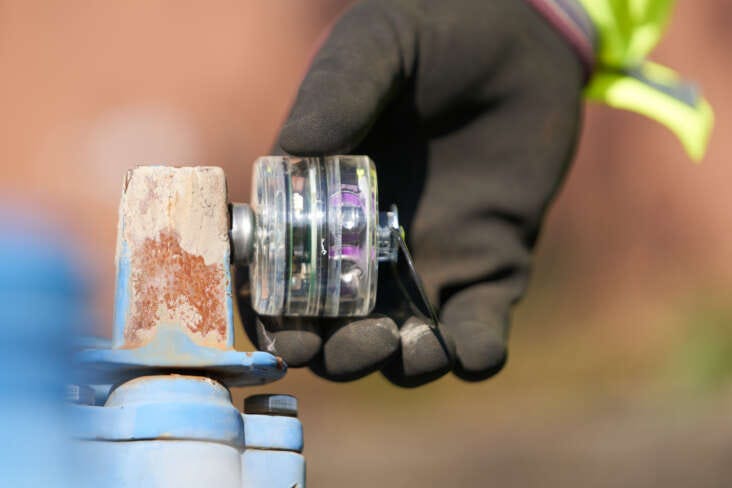
FIDO Technology’s AI-based sensors detect leaks miles away because they emit a slightly different acoustic signal. Surprisingly, the largest leaks are so quiet human ears can’t hear them. FIDO’s London project saved 6.5 million liters a day; that’s 99 percent of all water consumed by UK data centers last year. In water-starved Arizona, a FIDO-supported project helped the local utility cut water leakage from 27% to 10%.
Saving the whales, one breath at a time
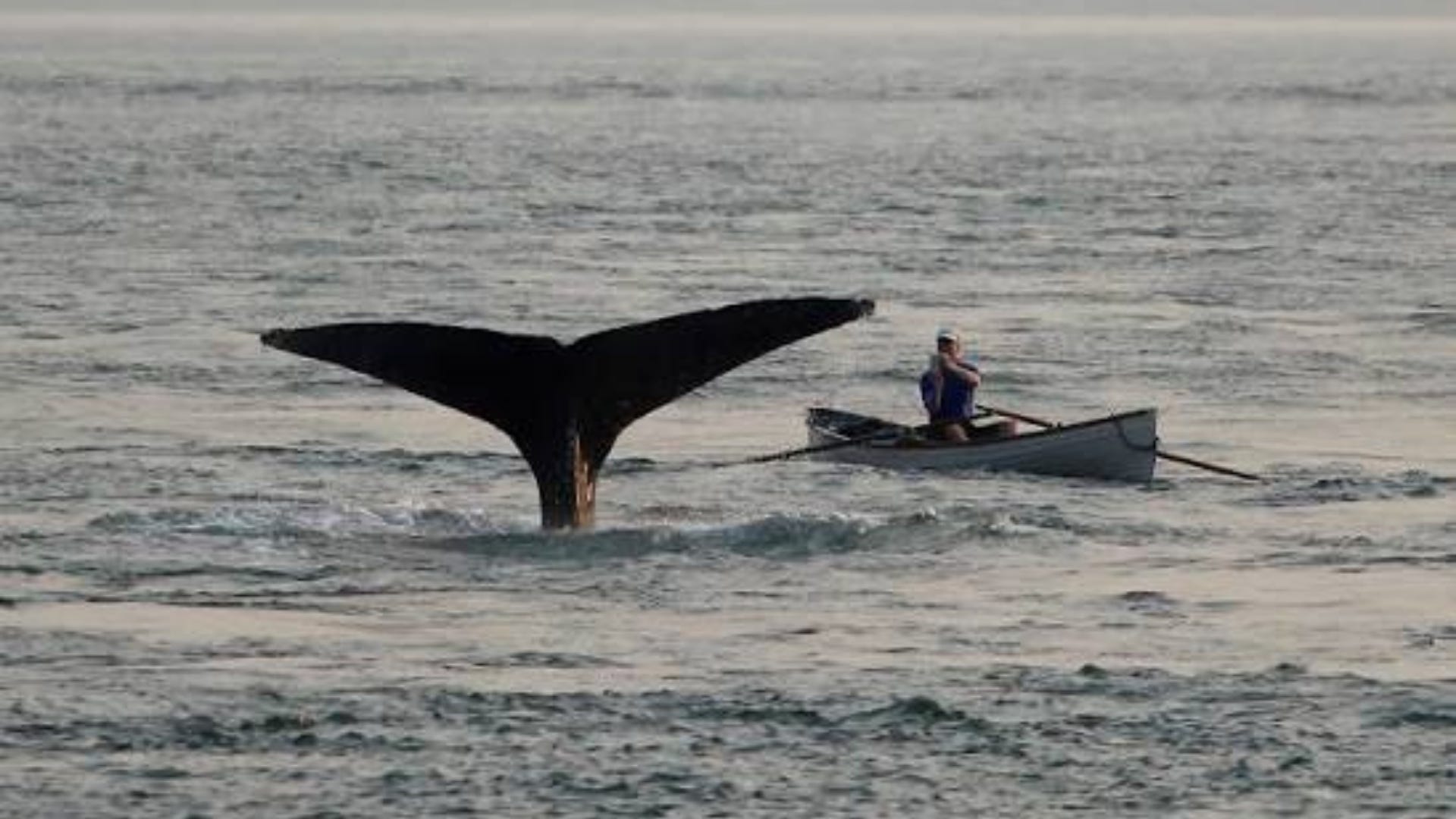
Melting arctic ice is compromising natural food sources for grey whales, who have begun making pitstops in San Francisco Bay. This is great for tourists, but lethal for the whales. 1 out of 5 whales that enter the bay are killed in boating accidents.
Water from a whale’s blowhole is warmer than the water around it by 2 degrees. WhaleSpotter’s thermal cameras use AI to spot whales and warn boat captains to steer clear. The system is new to San Francisco, but in 2024 it spotted over 50,000 whales across the globe.
Fighting fire with AI
This summer’s wildfires blanketed the U.S. midwest in smoke, forced 320,000 evacuations in Europe, and killed 20 people in Chile. The government estimates wildfires cost the US hundreds of billions every year.
Firefighters are using AI to stop them before they grow out of control.
FireSat is a Google-backed startup whose satellites detect North American fires based on heat signals. Infrared cameras see through clouds and smoke to spot fires as small as 4x4 meters. A similar AI satellite system developed at the University of Wisconsin’s Meteorological Institute caught the 2025 Palisades fire within minutes of ignition.
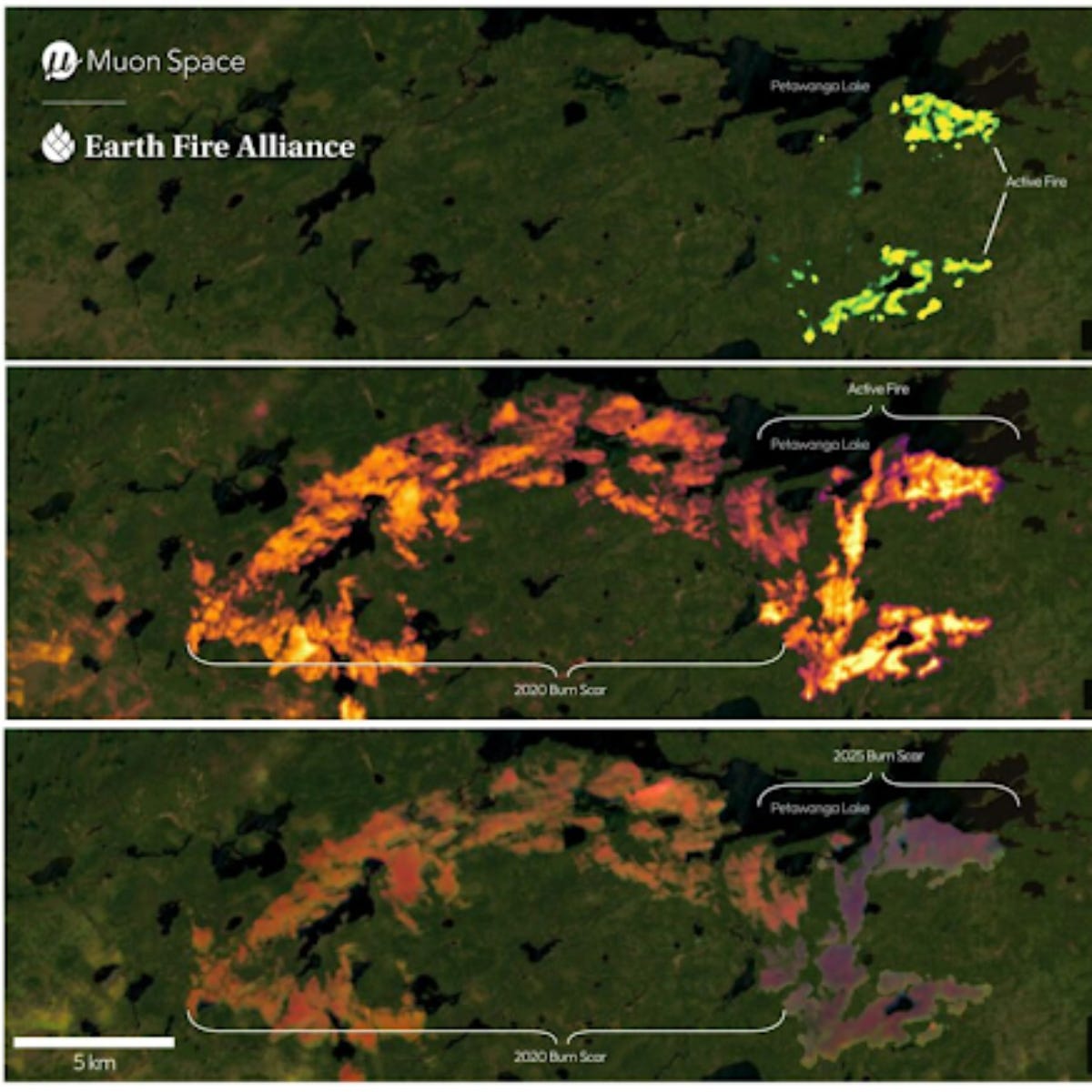
Satellites can detect fires, but even small ones can grow out of control before fire crews can reach them. That’s where AI drones come in.
Today’s drones fight fires in high-rise office buildings, factories and warehouses. They help forest firefighters navigate dangerous areas and light controlled burns that eliminate fuel in a fire’s path.
Tomorrow’s drones will act as a fast response team. Seneca’s AI controlled drones can reach a new fire in under 10 minutes, and five-drone swarms can blanket fires with up to 1,000 pounds of foam.
When AI is just good
AI is incredible! AI is terrible! Writing this newsletter means sifting through conflicting takes to find the real story.
That wasn’t an issue this week. Tracking cows, patching leaky pipes, saving whales and stopping forest fires are overwhelmingly good.
But we rarely hear about them, along with a bunch of other uses like medical scanners, AI lifeguards, and fishing inspectors.
That’s not an accident. The news cycle feeds on our anxiety and controversy. Articles about AI drones in human warfare get way more clicks than those about dousing forest fires.
This doesn’t mean we should wave away issues with AI. There are plenty of them and they are serious.
But the next time the AI car alarm goes off, and it will, every…single…day…
Remember it can be awesome too.
Dad joke: What is Halter’s virtual fencing AI engine called? The Cowgorithm 😆
(This is the real name of Halter’s AI. 👏)