

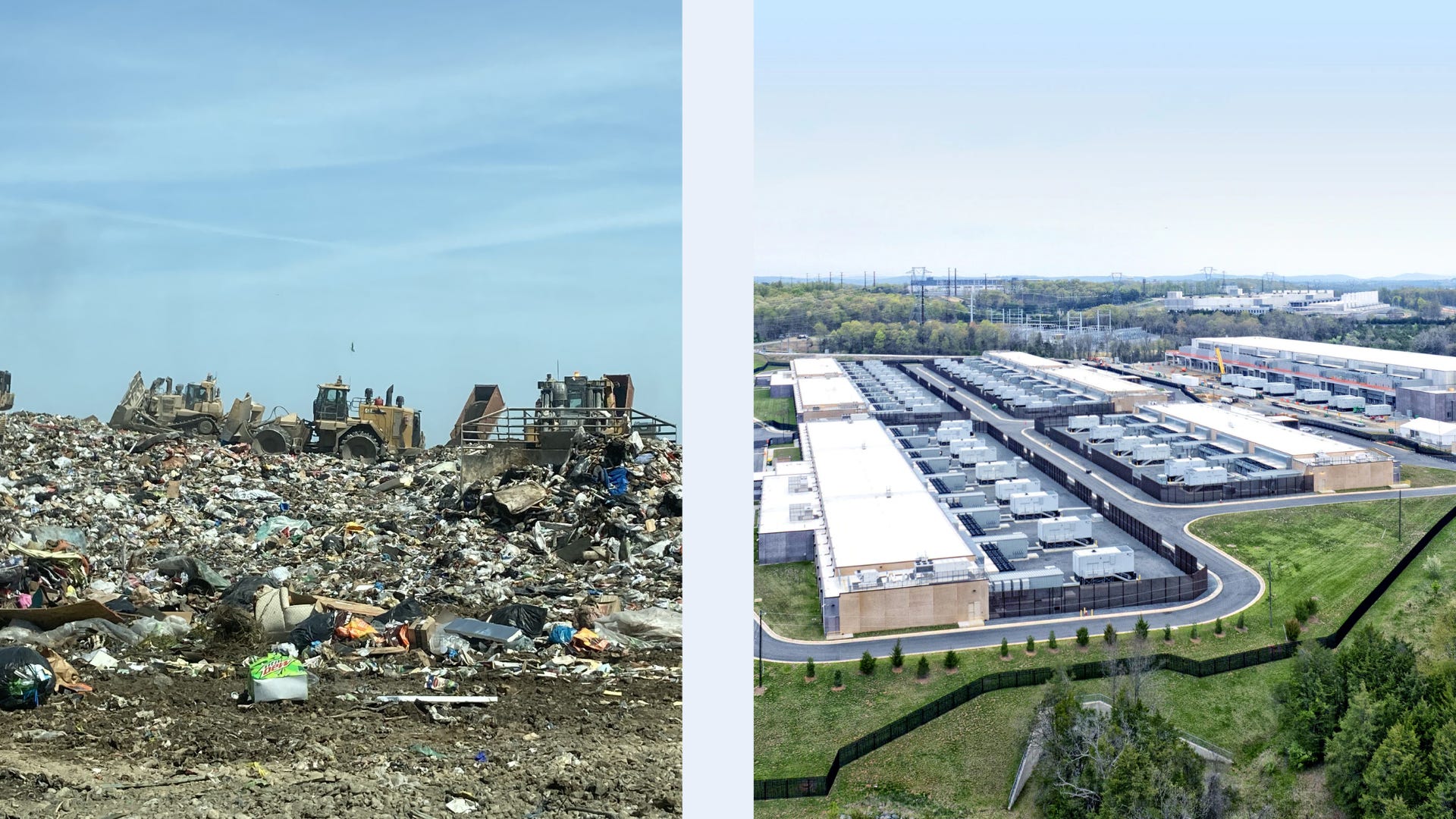
Data centers are as popular as landfills, casinos, and prisons.
Last week’s Gallup survey found that 71% of Americans oppose building a data center in their area. Only 53% opposed a nuclear power plant.
Ouch.
Across America, activists are protesting data centers, and they’re winning: In 2025, 48 projects worth $156 billion were blocked. Bernie Sanders and Alexandria Ocasio-Cortez are co-sponsoring a bill that would halt all US data center construction, and moratorium bills are active in twelve states.
Data centers aren’t perfect: they’re power-hungry, noisy and don’t create many permanent jobs.
But a moratorium is a bad approach, especially as cities are winning at the negotiating table.
The capacity crunch
Demand for AI is exploding, and companies are looking everywhere for new capacity, including outer space and the walls of newly built homes.
Anthropic just struck a deal to use xAI’s Colossus data center in Memphis. In 2024, Colossus was the biggest AI training cluster in the world. Today it will only support six to nine months of Anthropic’s growth.
Data center construction drove 92% of GDP growth in the first half of 2025. It’s also funding long-overdue investment in the US electrical grid, parts of which were built in the fifties. Tech demand is driving $1.1 trillion in grid upgrades. Microsoft and Google alone are funding the equivalent of 48 nuclear power plants in new renewable energy.
The negotiating table
It’s easy for economists to cheer for data centers. It’s a different story when one goes up in your backyard.
The biggest pushback is about water use, an issue tech bros dismiss as a red herring.
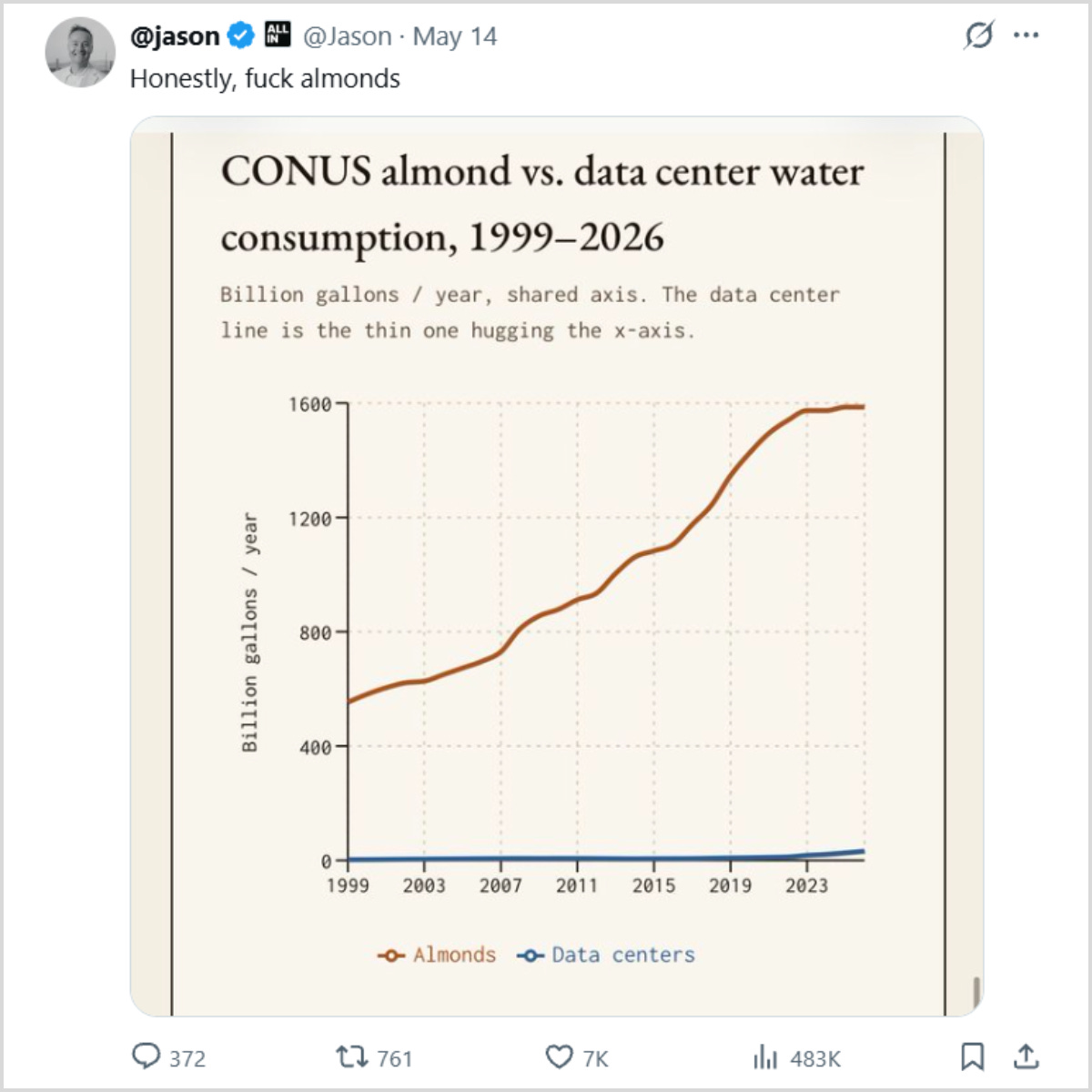
Red herring or not, data centers create real issues for local residents. They are electricity hogs, and have jacked up utility rates by as much as 20%. The gas turbines they use for short-term power are dirty and noisy. And while construction creates temporary jobs, a finished data center employs far fewer people than a warehouse or factory.
Communities are negotiating hard to address these issues. New deals make companies fund new power capacity, pay for grid upgrades, install noise suppression and offset local electricity bill increases.
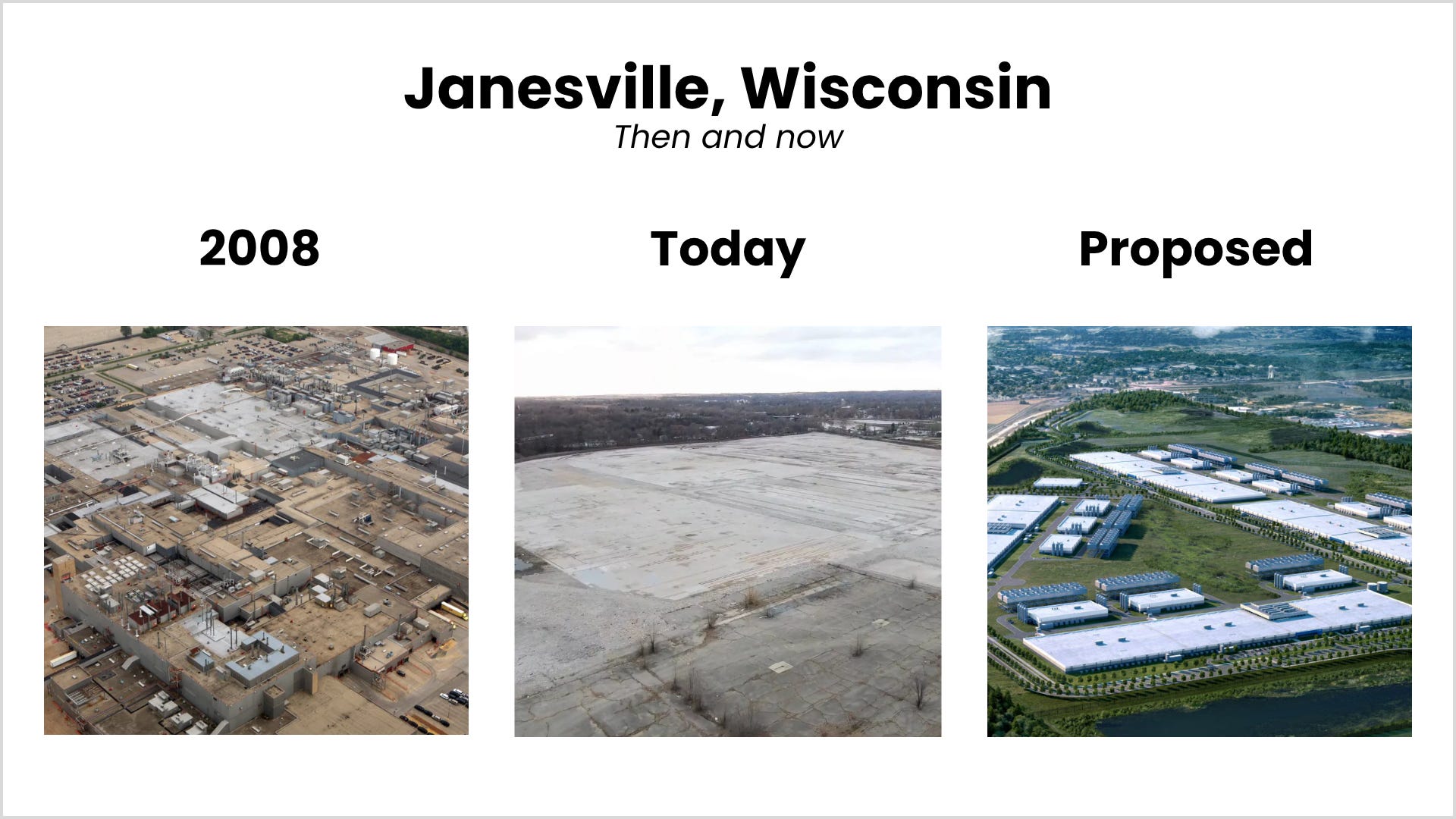
A proposed data center campus in Janesville, Wisconsin would pay to clean up a contaminated 250-acre former GM plant. The site sat dormant for 17 years because the cleanup’s $30 million price tag was too steep for other projects to justify.
The Irish lesson
In 2021, Ireland led the EU in data center capacity. But its data centers were consuming more electricity than every urban home in the country, and growing so fast the grid operator warned of blackouts.
Irish regulators issued a moratorium on new construction to stabilize demand. Construction froze, and €8 billion in projects shifted to Sweden, Norway, and other European countries.
The ban was lifted in 2025 and replaced with a policy requiring companies to fund their own power needs.
But the damage was lasting. Analysts don’t expect Ireland to recover its momentum until 2030.
This is the same policy lawmakers are proposing in the US.
A lousy idea
Data centers aren’t perfect, and their faults have become the face of AI to many Americans.
But well-struck data center deals bring real benefits to communities like Janesville, paid for by tech companies who can afford it.
A moratorium would strip this leverage from local leaders and kneecap a domestic economic boom.
Democratic senator Mark Warner called a moratorium ‘idiocy’, warning it would hand America’s AI lead to competitors.
He’s right. A ban wouldn’t make data centers cheaper, quieter or cleaner. It would just make US companies spend money to build them overseas.
That’s a lousy deal.
Dad Joke: Why did the server farm always answer yes to RSVPs? Because it was a date assenter 🤣